%20-%20All%20Logos_Primary%20-%20Full%20Color.png)
Breaking the Generational Swimming Gap: Lucas and Quicksilver Santa Cruz

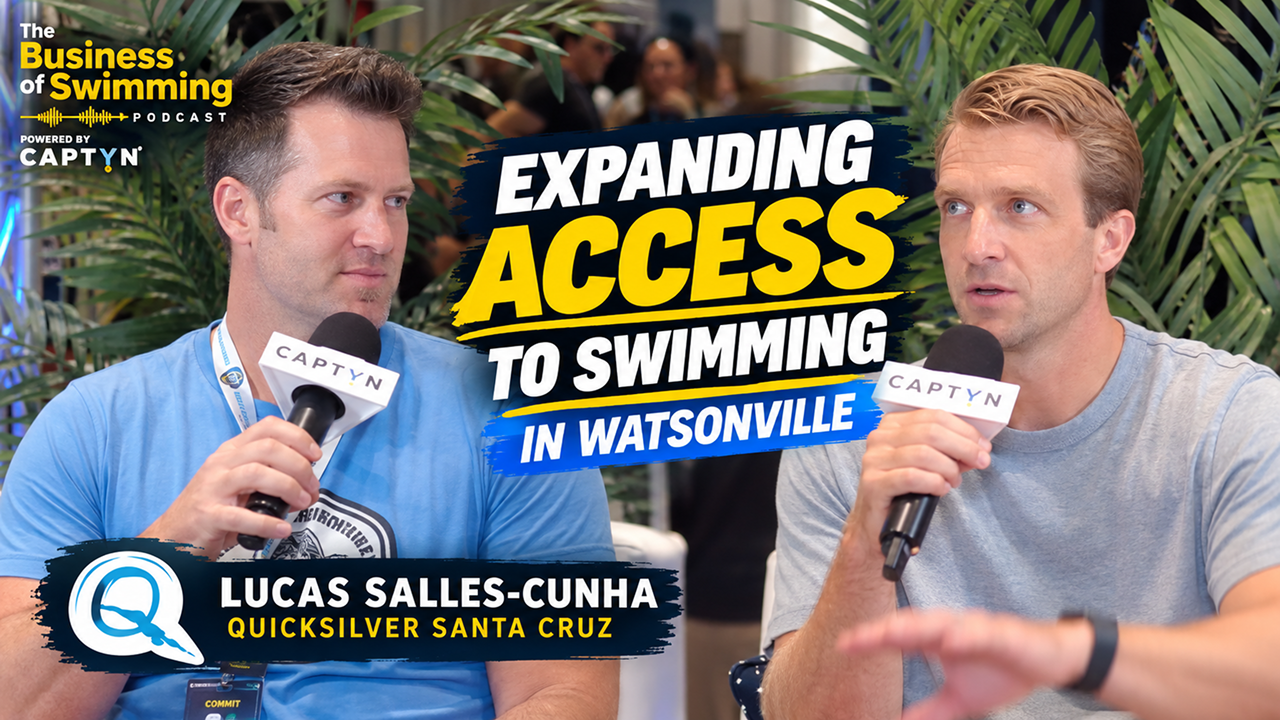
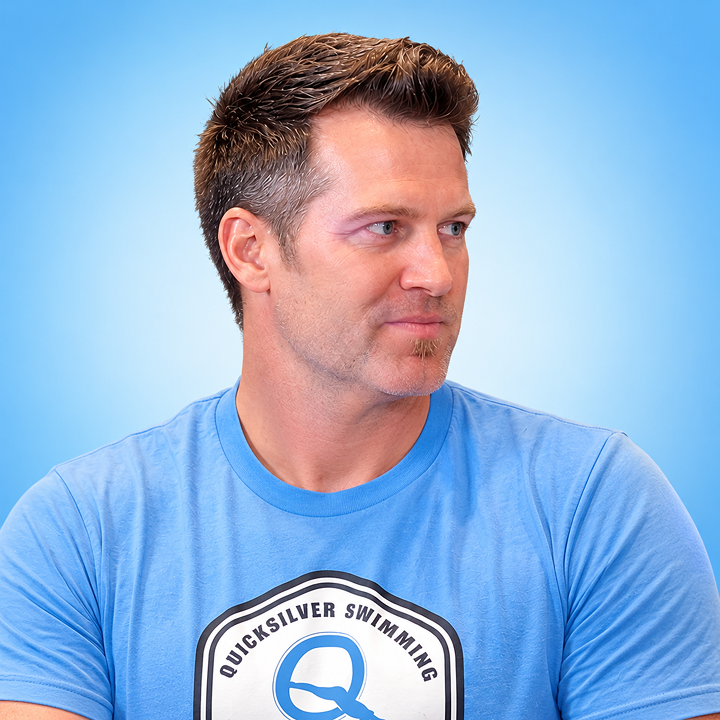

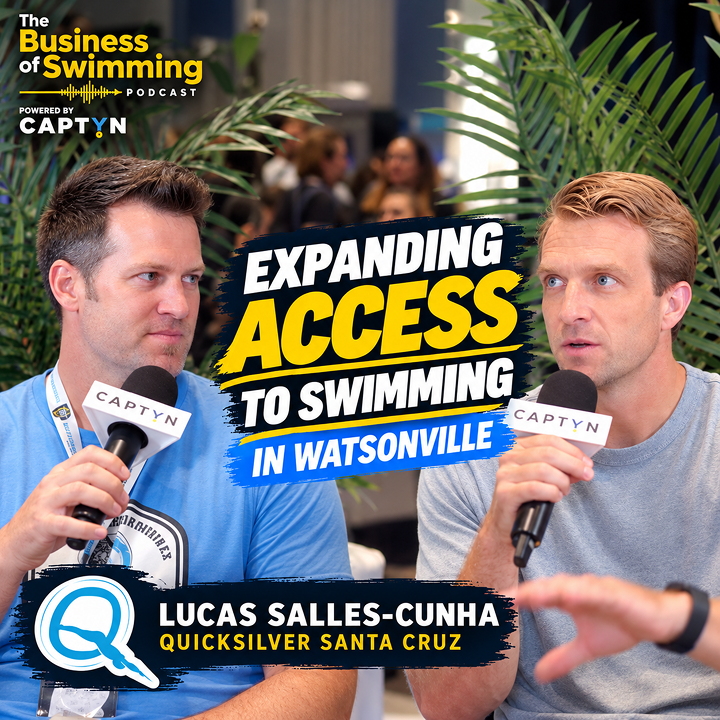
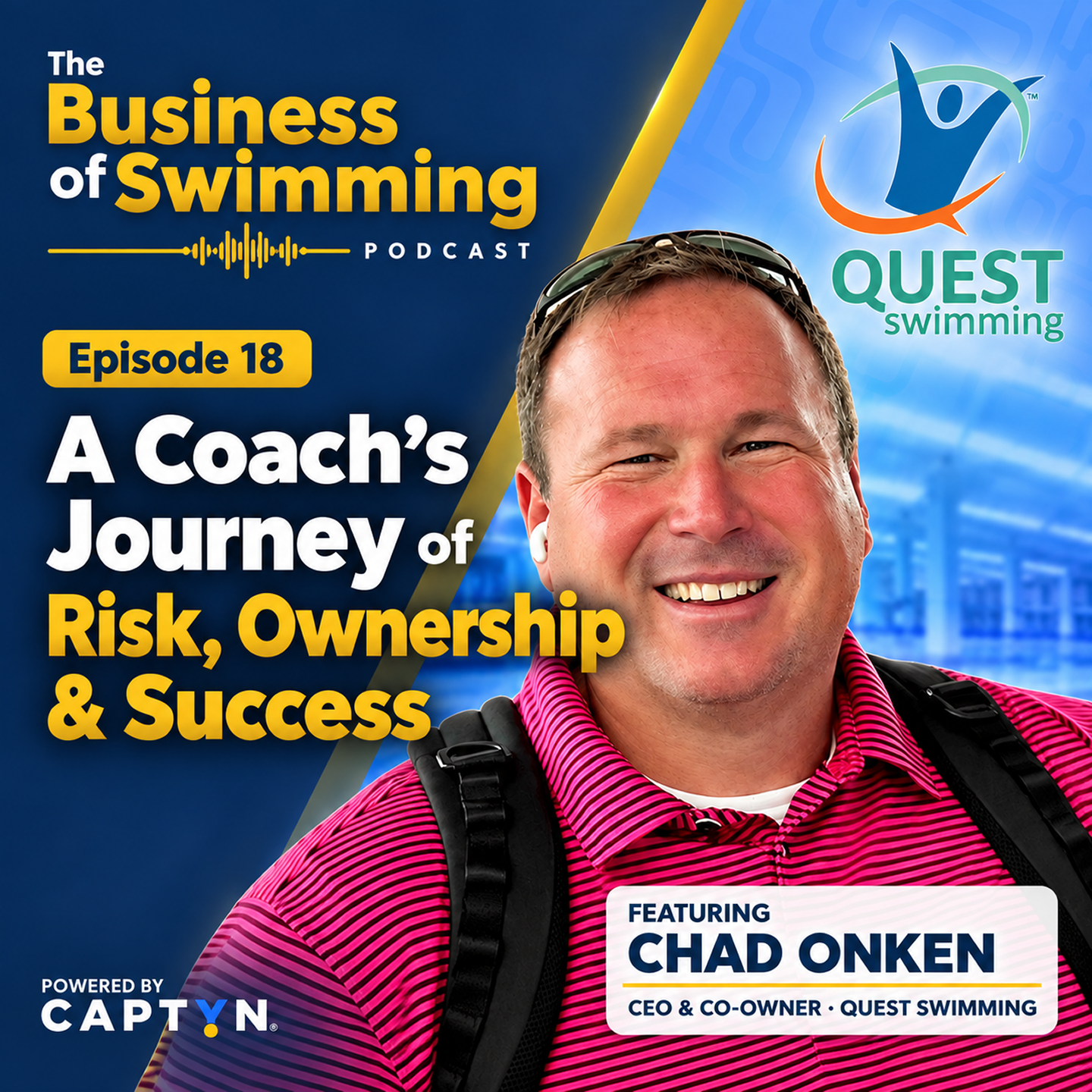
At the 2026 ASCA World Clinic, the Business of Swimming sat down with Lucas from Quicksilver Santa Cruz to talk about running a swim organization, making the move to Captyn, and a mission that extends far beyond competitive swimming.
Quicksilver Santa Cruz operates under a unique model. While the program joins the larger Quicksilver organization for competition, Lucas manages the Santa Cruz County operation independently, including its finances. The arrangement began when the program was struggling financially and was given the opportunity to either become self-sustaining or shut down.
Lucas and his team did more than survive. They built a program that is now using swimming to make an impact throughout their local community.
Bringing the Business Under One Roof
About a year and a half ago, Quicksilver Santa Cruz made the transition to Captyn.
One of the biggest reasons was swim lessons. Lucas wanted a system that could better support that side of the organization while bringing more of the operation together in one place.
Like any software transition, the move required work. But Lucas says having support throughout the process made the difference.
Today, that relationship continues as the organization grows and introduces new programs. For Lucas, knowing that he can quickly reach someone who understands his organization has become an important part of the experience.
Expanding Access to Swimming in Watsonville
The bigger story behind Quicksilver Santa Cruz is what the organization is doing outside traditional competitive swimming.
A few years ago, Lucas completed his doctorate, with dissertation research focused on the relationship between the Hispanic-Latino community and swimming. Living in Watsonville, California, the research led him to ask a simple but important question: Why aren’t more people in his local community swimming, and what could he do to change that?
That question turned into action.
Quicksilver partnered with the Pajaro Valley Unified School District and the City of Watsonville to expand access to swimming in the local Hispanic-Latino community.
Today, those efforts include swimming lessons for kindergarten through sixth-grade students through the school district’s expanded learning program, summer Saturday lessons with the City of Watsonville, and Quicksilver’s own low-cost Saturday lesson program.
The objective is straightforward: reduce cost as a barrier and introduce swimming to families who may otherwise never have an opportunity to participate.
Creating First-Generation Swimmers
Access, however, is only part of the challenge.
Lucas explained that his research highlighted the generational nature of swimming participation. In many swimming families, parents already understand the sport because they grew up around it themselves. That familiarity is then passed to their children.
For some of the families Quicksilver is trying to reach, that cycle never began.
Grandparents may not know how to swim. Parents may have limited swimming experience themselves. Their children are therefore entering the water without the generational knowledge many established swimming families take for granted.
Quicksilver wants to change that by creating what Lucas describes as “first generation swimmers.”
Teach a child to swim today, and that child may eventually become a parent who understands the importance of swimming and passes that knowledge to another generation.
The impact can extend far beyond a single set of lessons.
Making Swimming More Accessible
The conversation also touched on one of the broader challenges facing the sport: making swimming accessible to communities beyond those it has traditionally reached.
That means addressing financial barriers, but it can also mean addressing language and staffing challenges. Quicksilver has bilingual staff available at times, and Lucas noted that communication with parents can require additional support even when their children speak English.
Still, the priority remains getting kids into the water.
Lucas recalled a statement from Olympic medalist Natalie Hinds that has stuck with him: swimming is unique because learning it can save your life.
That idea captures why expanding access matters.
Competitive swimming can create incredible athletes, teams, and communities. But before swimming is a sport, it is a life skill.
By creating affordable opportunities for children to learn that skill, Quicksilver Santa Cruz isn’t simply trying to grow its program. It’s working to establish a new relationship with swimming that can be passed from one generation to the next.
More Ways to Explore Captyn

Demo
See Captyn in action by exploring top features and watching a free demo of the platform

Success Stories
See how organizations of all sizes are operating and growing their businesses on Captyn

Live Events
Meet up and chat with us at one of the many live events we sponsor and attend all across the country