%20-%20All%20Logos_Primary%20-%20Full%20Color.png)
How A Swim Coach Found Financial Security

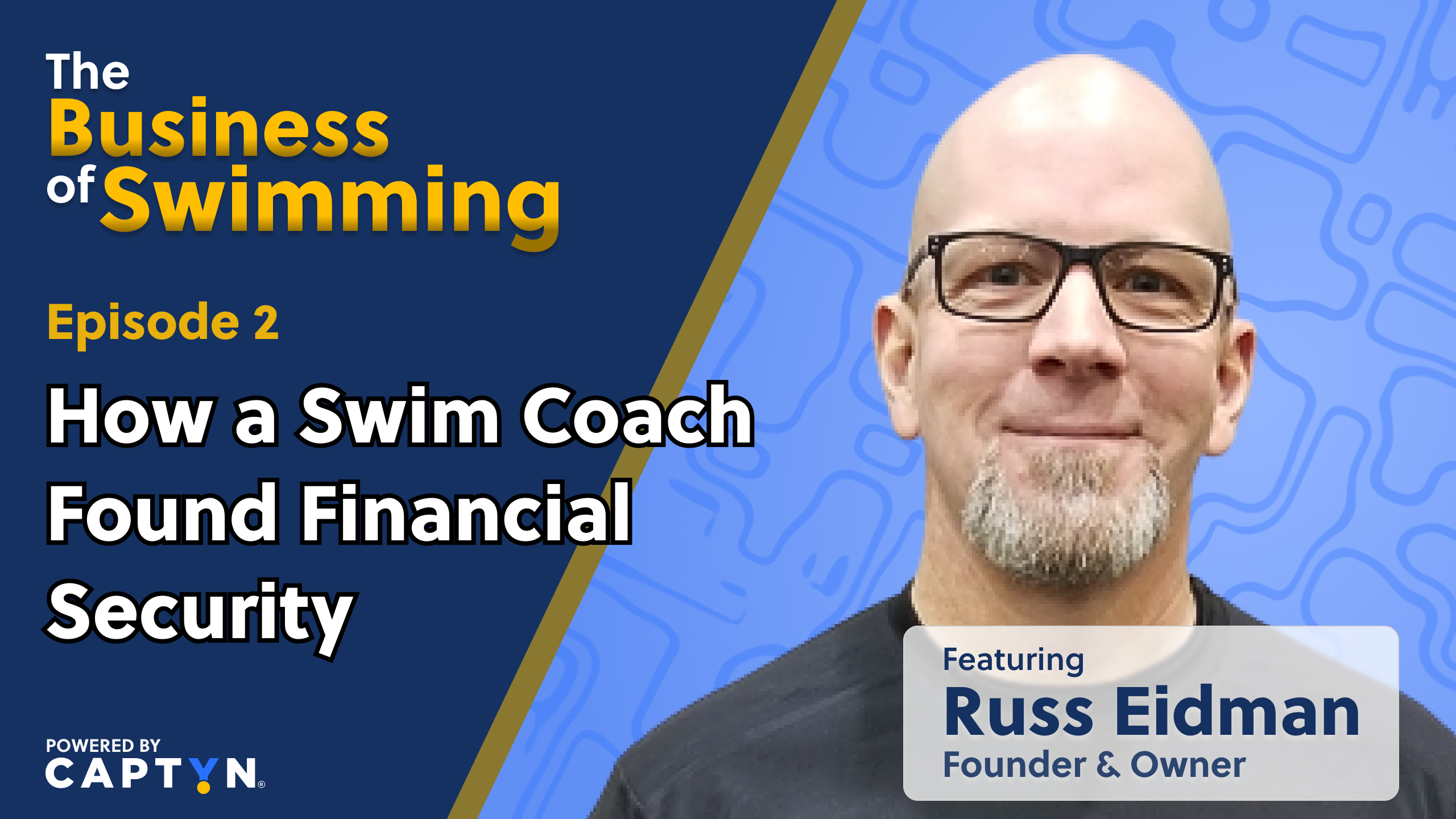

How one coach went from 70-hour weeks to financial freedom with a single-lane pool
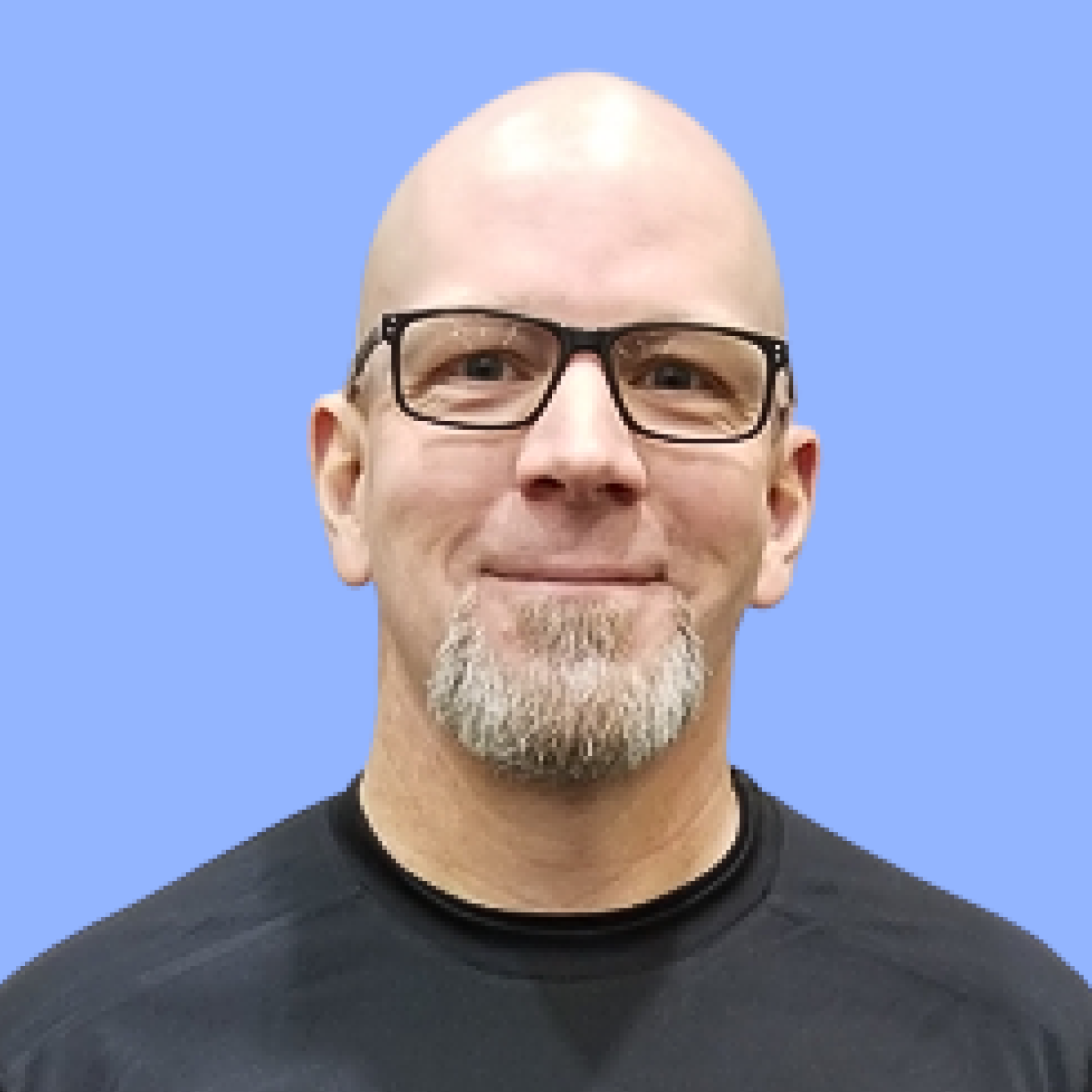
For more than 30 years, Russ Eidman followed the traditional swim coaching path. Multiple roles, long hours, and constant hustle defined his career. Like many coaches, he assumed experience and dedication would eventually translate into financial stability.
But that stability rarely comes in coaching.
"I think a lot of coaches get into it with that dream of having that head coach job that is a full-time job. But those are very rare positions that actually pay a living wage."
— Russ Eidman
So Russ made a bold pivot. He moved to Springtown, Texas, built a single-lane pool, and launched Patriot Swim School. Today, he works roughly three to four hours a day and earns about 2.5 times his best coaching salary.
His journey offers practical lessons for coaches considering entrepreneurship, or simply looking to build more sustainable programs.
A Quick Snapshot of the Business
- 30+ years coaching experience
- Single-lane, 25-yard pool facility
- Rural Texas market
- Works part-time hours
- Earning roughly 2.5× greater than peak coaching income
1. Escaping the Technician’s Trap
Russ spent decades doing what great coaches do, teaching, mentoring, and filling whatever role was needed. Like many skilled professionals, he found himself working in the business rather than building one.
The turning point came when he decided to create an asset, his own facility, capable of generating revenue beyond hourly coaching labor. That shift from technician to business owner fundamentally changed his trajectory.
New entrepreneurs often obsess over the "augmented product", fancy lobbies, primary colors, and slick branding. Russ operates out of a steel building with a gravel driveway next to a residential house on the side of a rural Texas Highway. To the untrained eye, it looks unconventional. But to his customers, it is the only place they want to be.
This mindset shift is usually the first step toward financial sustainability in aquatics.
2. Define the Experience, Not the Facility
New entrepreneurs often obsess over the "augmented product", fancy lobbies, primary colors, and slick branding. Russ operates out of a steel building with a gravel driveway next to a residential house on the side of a rural Texas Highway. To the untrained eye, it looks unconventional. But to his customers, it is the only place they want to be.
One of the most striking aspects of Patriot Swim School is its simplicity. The facility is functional rather than flashy. Customers love it anyway.
"What you're selling is the experience that child has. If people don't believe me, come drive and see my place. It's this tin building with a gravel driveway. But April 1st will be our four-year anniversary, and we have students that have been with us for three and a half years."
— Russ Eidman
Business Context: Jobs-to-be-Done Theory
According to Harvard Business School professor Clayton Christensen, customers don't simply buy products or services; they "hire” them to do a "job" in their lives. This aligns closely with the Jobs-to-be-Done framework. Customers do not buy a facility they are buying much more.
For swim parents, that job usually includes:
- Safety and drowning prevention
- Skill progression
- Confidence for their child in life
- A trusted instructor relationship
Once those needs are met consistently, aesthetics become secondary and customer loyalty sky rockets.
3. The Riches Really Are in the Niches
Russ quickly recognized that rural Texas required a different product mix than a major metro market. He could have focused on everything but instead became the expert in just a few markets.
Instead of chasing every possible swimmer, he focused on specific underserved groups:
- School-age Competitive Swimmers
- Homeschool families needing PE credit
- Small group learn-to-swim programs
- Adaptive lessons
Business Context: Market Segmentation and SAM
In business terms, this reflects focusing on the Serviceable Available Market (SAM) rather than the Total Addressable Market (TAM).
That means:
- Identifying who realistically buys in your geography
- Designing offerings specifically for them
- Dominating a niche instead of competing broadly
For swim businesses, market awareness often determines success more than coaching ability.
4. Operational Efficiency Drives Profitability
How do you generate 2.5x profit with only one lane of water? You master the economics of constraints. Russ operates a single-lane, 25-yard pool (18,000 gallons) and has limited "prime time" (5:00–7:00 PM).
Russ discovered something many coaches resist.
"If I said yes to every parent asking for private lessons, I'd make half as much money."
— Russ Eidman
So he:
- Prioritizes small groups during peak hours
- Moves private lessons to off-peak slots
- Maximizes revenue per available hour
Business Context: Revenue Management
Russ actively "re-educates" parents who ask for private lessons. While privates seem premium, they are low-margin and time-intensive compared to small groups. "If I said yes to every parent asking for private lessons, I'd make half as much money," he says.
Originally developed by airlines, this strategy involves selling the right inventory to the right customer at the right time. MIT Sloan Management Review highlights that service businesses with fixed capacity must manage yield (revenue per available hour) rather than just volume. By pushing low-yield private lessons to off-peak times (weekends) and reserving prime time for high-yield small groups, Russ maximizes the return on his fixed asset.
5. Community Relationships Beat Ad Spend
Instead of heavy advertising, Russ built direct relationships in his community. One initiative included collaboration with local schools around water safety awareness. Drowning is a safety issue, and we want to keep Springtown kids safe. This alignment allowed him to bypass "no solicitation" barriers and send flyers home with every K-5 student. Russ unlocked a marketing channel that money couldn't buy. The result? In 2025, Springtown had zero drownings for the first time in a long time.
The Business Concept: Creating Shared Value (CSV)
Harvard professor Michael Porter argues in Harvard Business Review that economic value is best created in a way that also produces value for society. By aligning his profit motive with the district's social goal (zero drownings), Russ unlocked a marketing channel that money couldn't buy.
6. Leveraging Technology to Focus on Coaching
Administrative overload is one of the fastest paths to burnout for swim entrepreneurs. Scheduling, billing, communication, and reporting can consume hours daily.
Technology allowed Russ to offload those tasks.
"Registering new students takes like 60 seconds. And then the money just magically appears in my account because Captyn takes care of all of that stuff."
— Russ Eidman
The Business Concept: Comparative Advantage
The Economist defines comparative advantage as the ability to produce a particular good or service at a lower opportunity cost than another. Every hour Russ spends on billing is an hour not spent on his high-value skill: coaching. By identifying his core competency (teaching) and outsourcing the rest (admin) to technology, he maximized his economic output.
The Lifestyle Impact (Often Overlooked)
The financial improvement is meaningful, but the lifestyle shift may matter more.
Moving from 70-hour weeks and multiple jobs to a focused schedule created:
- Greater flexibility
- Lower burnout risk
- Long-term career sustainability
- More personal time
Many coaches initially pursue income stability. Over time, quality of life becomes equally important.
The Takeaway for Coaches Considering the Leap
Russ’s story is ultimately about intentional business design.
Key themes include:
- Asset ownership or deep partnerships
- Clear customer value definition
- Targeted market focus
- Capacity optimization
- Community integration
- Operational automation
Or, as Russ puts it:
"Start looking, start thinking."
Opportunity exists in aquatics. It increasingly favors those who approach coaching as both craft and business.
The Captyn Experience
For programs like Patriot Swim School, Captyn functions as operational infrastructure. Registration, billing, communication, and reporting become automated workflows rather than daily manual tasks.
That allows coaches to focus on instruction, relationships, and growth while maintaining professional business operations.
Want to Learn More?
Russ Eidman is passionate about helping coaches achieve financial security and career longevity through entrepreneurship. If you are considering launching your own swim school or optimizing an existing program, he offers consulting to help guide the process.
Connect with Russ directly:
russeidman@gmail.com
More Ways to Explore Captyn

Demo
See Captyn in action by exploring top features and watching a free demo of the platform

Success Stories
See how organizations of all sizes are operating and growing their businesses on Captyn

Live Events
Meet up and chat with us at one of the many live events we sponsor and attend all across the country