%20-%20All%20Logos_Primary%20-%20Full%20Color.png)
The Role of ASCA in Supporting Coaches

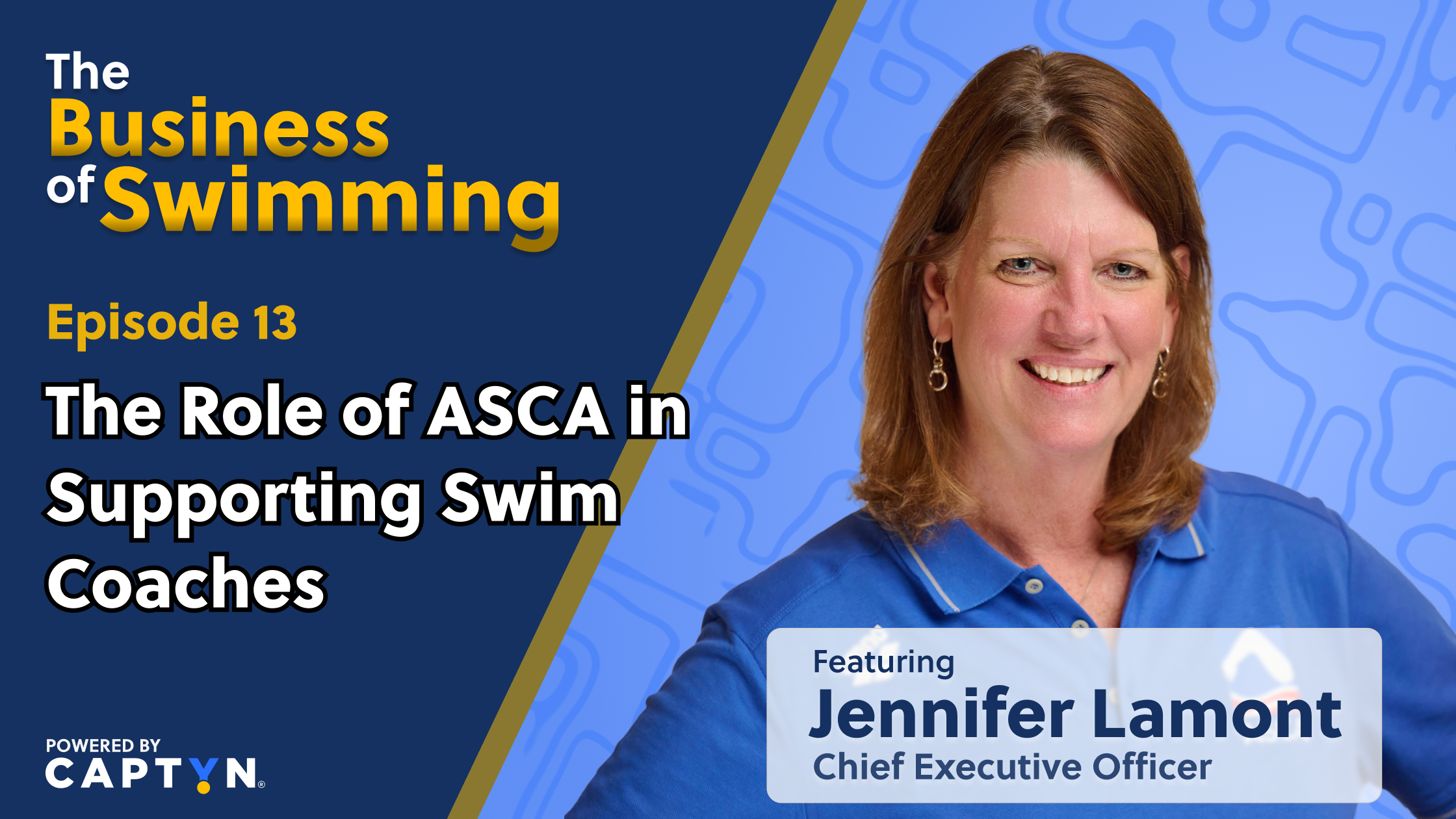

The Role of ASCA in Supporting Coaches
ASCA exists to help swim coaches feel supported, connected, and better equipped to lead. ASCA's mission is simple “Inspiring, Supporting and Advocating for Coaches,” and that purpose shows up through its education, certification, mentorship, advocacy, recognition, and professional development resources. From online education and certification courses to ASCA Live webinars, the Russell Mark Technique Video Library, the Talks Library, Workout Exchange, Mentor Program, and World Clinic, ASCA gives coaches practical ways to keep learning and stay connected to the broader coaching community. In this conversation, Jennifer LaMont makes it clear that ASCA’s role is not just to provide information, but to create a professional home where coaches can learn from one another, build relationships, and feel less isolated in a demanding career.
"We're creating a place where swim coaches belong and want to be."
Learn more about ASCA - https://swimmingcoach.org
Innovative Initiatives for Young Coaches
One of the most important themes in the conversation is ASCA’s renewed focus on helping young coaches feel supported before burnout takes hold. LaMont shared that ASCA and USA Swimming are working together on a new program designed specifically for brand-new coaches, giving them access to resources, mentors, and a structured six-month cohort experience during the early stages of their coaching journey. The goal is not to teach every skill all at once, but to give new coaches a community, a trusted network, and a place to ask questions as they grow into the profession. This kind of support is especially valuable for younger coaches who may be stepping into leadership roles before they have been fully prepared for the operational, communication, and people-management demands of running a team.
Thirty Under Thirty
ASCA’s Thirty Under Thirty program recognizes young coaches who are already making an impact in the profession and gives them access to the ASCA World Clinic experience. Coaches selected for the program receive free registration and become part of a peer group during the clinic, helping them build relationships with other motivated young coaches. For many, it is an introduction to the broader ASCA community and a chance to see coaching as a long-term career path. These are future leaders of swim organizations across the country and a great way to fast track their education beyond the lane lines.
Timothy Welsh ASCA Fellows
The Timothy Welsh ASCA Fellows program is focused on developing future coach-leaders through research, mentorship, and contribution to the sport. Fellows work on projects designed to advance swimming knowledge and present their findings after a year of guided work. In the podcast, LaMont notes that the current Fellows group is focused on coach retention, including issues such as benefits, work environment, and the conditions that help coaches stay in the profession. ASCA can use their findings to help shape how teams can provide a better working environment for coaching staff and their families.
Mentor Program
ASCA’s Mentor Program brings together coaches at different stages of their careers in small groups, typically pairing a senior coach, a mid-career coach, and a newer coach. Rather than using a one-way mentor model, the program is built around shared learning, where each coach brings a different perspective and skill set. This gives young coaches access to experienced voices while also creating space for veteran coaches to learn from the next generation. The goal is to create a safe space for coaches to share concerns, road blocks and bounce ideas off one another.
Engaging Veteran Coaches with ASCA
Veteran coaches have a powerful opportunity to shape the next generation by getting more involved with ASCA. LaMont emphasized that ASCA is member-driven, and its strength depends on experienced coaches sharing their knowledge, perspective, and leadership with the broader coaching community.
“We don't thrive as an organization unless we have veteran coaches, all coaches really, but the veteran coaches especially with their knowledge and experience and wisdom to be able to share.”
ASCA gives veteran coaches several ways to give back, including mentor groups, certification feedback, committees, task forces, clinics, and content contributions. The Mentor Program is especially valuable because it is not a one-way model. It brings senior, mid-career, and newer coaches together so each person can learn from the others.
That matters because leadership development does not stop with experience. By giving back through ASCA, veteran coaches can strengthen the sport while continuing to grow, stay connected, and learn from the next generation. The call to action is simple: get involved, share what you have learned, and stay open to what other coaches can teach you.
Building Community Among Coaches
“Hopefully ASCA programs help you build that community that will last you a lifetime, last your entire career. And that's one of the purposes of ASCA.”
A major theme of LaMont’s conversation is that coaches need more than education. They need community. Coaching can be isolating, especially for young coaches who are leading groups, managing parents, communicating with athletes, and navigating team operations without a strong peer network around them. When coaches feel like they are on an island, burnout becomes more likely. When they have trusted people to call, learn from, and share challenges with, they are more likely to stay in the sport and grow into stronger leaders.
“We know that coaches learn the best from other coaches.”
ASCA is working to create that sense of community in several intentional ways. Through its partnership with USA Swimming, ASCA is developing a structured cohort experience for new coaches that connects them with peers, mentors, and veteran coaches early in their careers.
“They’ll have a group of peers who are also new coaches that they can bounce ideas off of and not feel like they’re asking a stupid question.”
The Mentor Program also builds small groups across different career stages, giving newer coaches access to experienced voices while allowing mid-career and veteran coaches to learn from each other as well. At ASCA World Clinic and other in-person clinics, LaMont emphasized that ASCA is creating more space for coaches to interact, including facilitated discussions, round-table seating, social events, and informal networking opportunities.
The goal is simple but important: help coaches build relationships that last beyond a single clinic, course, or season. By creating opportunities where those conversations can happen, ASCA is helping coaches feel more connected, more supported, more confident in the profession and have FUN doing it.
"Having fun is how you learn. Having fun is how you develop.”
Full List of ASCA programs - {{https://swimmingcoach.org/page/getinvolved}}
- 30 Under 30
- Mentor Program
- Timothy Welsh ASCA Fellows
- Coaches of Color
- Women’s Initiative
- Workout Exchange
- Ambassador Program
- Committees & Task Forces
Revamping Certification Programs for Coaches
ASCA is also taking a fresh look at one of its most recognizable offerings: coach certification. LaMont shared that ASCA is in the process of revamping its certification program with the goal of bringing back the prestige and professional weight that ASCA certification has historically carried in the sport. The vision is for certification to mean something clear and valuable to coaches, head coaches, employers, boards, and swim organizations.
Rather than treating certification as a simple checklist, ASCA is working to make the pathway more rigorous, practical, and customizable. LaMont explained that higher certification levels will include a series of courses, allowing coaches to choose education that fits their career goals. For example, one coach may want to grow toward a head coaching role, while another may want to focus more deeply on technique, motivation, psychology, or athlete development.
This matters because certification can help elevate coaching as a profession. When a coach earns an ASCA certification, the goal is for that achievement to reflect real learning, continued development, and a commitment to improving their craft. For swim organizations, that creates a clearer signal when hiring and developing staff. For coaches, it provides a structured way to keep growing, stay current, and show they are invested in their long-term career in the sport.
ASCA WORLD CLINIC
The ASCA World Clinic is one of the most valuable professional development experiences in swimming, bringing coaches together for practical education, meaningful connection, and fresh ideas they can take directly back to their teams. Built around ASCA’s mission of inspiring, supporting, and advocating for coaches, the clinic offers a wide range of sessions covering stroke technique, athlete development, leadership, retention, board relations, club operations, and the business of running a successful swim organization. Coaches can learn from some of the most respected voices in the sport, experience engaging demonstrations like the popular endless pool sessions, and connect with peers who understand the challenges and opportunities of coaching. Whether you are a new coach looking for community, a veteran coach ready to give back, or a team leader trying to build a stronger organization, ASCA World Clinic provides the education, relationships, and energy to help coaches grow and return home inspired.
Learn more about the ASCA CLINIC - https://www.ascaworldclinic.com
The “Don’t Miss” Swimming Talks
One of the standout features of ASCA World Clinic is the hands-on learning experience created around the endless pool in the exhibit hall. LaMont described it as one of the most popular parts of the clinic because coaches can watch live, up-close demonstrations with athletes in the water, speakers coaching in real time, and underwater cameras showing technique on nearby screens. These sessions give coaches more than theory. They show how experienced coaches communicate, correct, and teach athletes in practical situations.
“A few years ago we added the endless pool in the middle of the exhibit hall, which turned out to be wildly popular, probably the most popular part of World Clinic. We have our speakers come and do 15-minute coaching demonstrations at the endless pool, standing at the edge of the pool.”
Russell Mark’s sessions are another major draw, especially because of his deep background in stroke technique, video analysis, and work with elite swimmers. For coaches looking to improve what they do on deck, these sessions offer practical takeaways they can bring home immediately.
“If people haven’t heard of him, by the time they hear his first talk, they’re like the biggest fans and want to know where else he’s speaking.”
Diversity in Speakers
LaMont emphasized that ASCA is intentional about creating diversity across the World Clinic speaker lineup. That includes coaches from different backgrounds, age groups, experience levels, and areas of expertise.
“We really pride ourselves on having complete diversity in every way.”
The goal is to have something for every type of coach, whether they work with learn-to-swim athletes, age group swimmers, senior athletes, college swimmers, professionals, or Paralympians. The speaker lineup also extends beyond traditional swim training topics, bringing in experts on areas like brain science, athlete development, leadership, and the broader needs of swim organizations. This variety helps coaches expand their perspective and better serve the full range of athletes and families in their communities.
“The diversity isn’t just in how people look or their backgrounds, but it’s really a diversity in the community that you can serve when you come to these things.”
The Business of Swimming Track
“Anything that happens in a swim organization is covered at an ASCA World Clinic.”
The business track at ASCA World Clinic is especially valuable for coaches and team leaders who are responsible for more than what happens during practice.This year talks are going to focus on board relations, athlete retention, underserved communities, and masters programming as examples of the real operational challenges swim organizations face.
“Scott Bay is going to talk about how he uses his masters program to bring in revenue, provide a community service, and help his business be successful.”
These sessions matter because strong swim teams need more than good sets and stroke work. They need leadership, communication, retention strategies, community engagement, and sustainable revenue opportunities. For head coaches, team admins, and program directors, the business track provides practical education on how to run healthier, more stable swim organizations.
LaMont’s Top 3 Reasons to Attend ASCA World Clinic
- Get motivated by peers and experts with tons of coaching takeaways you can implement right away.
- Coaches are going to find their community at ASCA worlds. Great way to create a new network or grow your existing network of coaches. These people are your sounding board and places to turn for help when needed.
- You get to go to the best closing night party (HOSTED by CAPTYN) we’ve ever had because we’re making it better this year with Dueling Pianos!!!
Register or the world clinic now: https://www.ascaworldclinic.com/register
About ASCA and CEO Jennifer LaMont
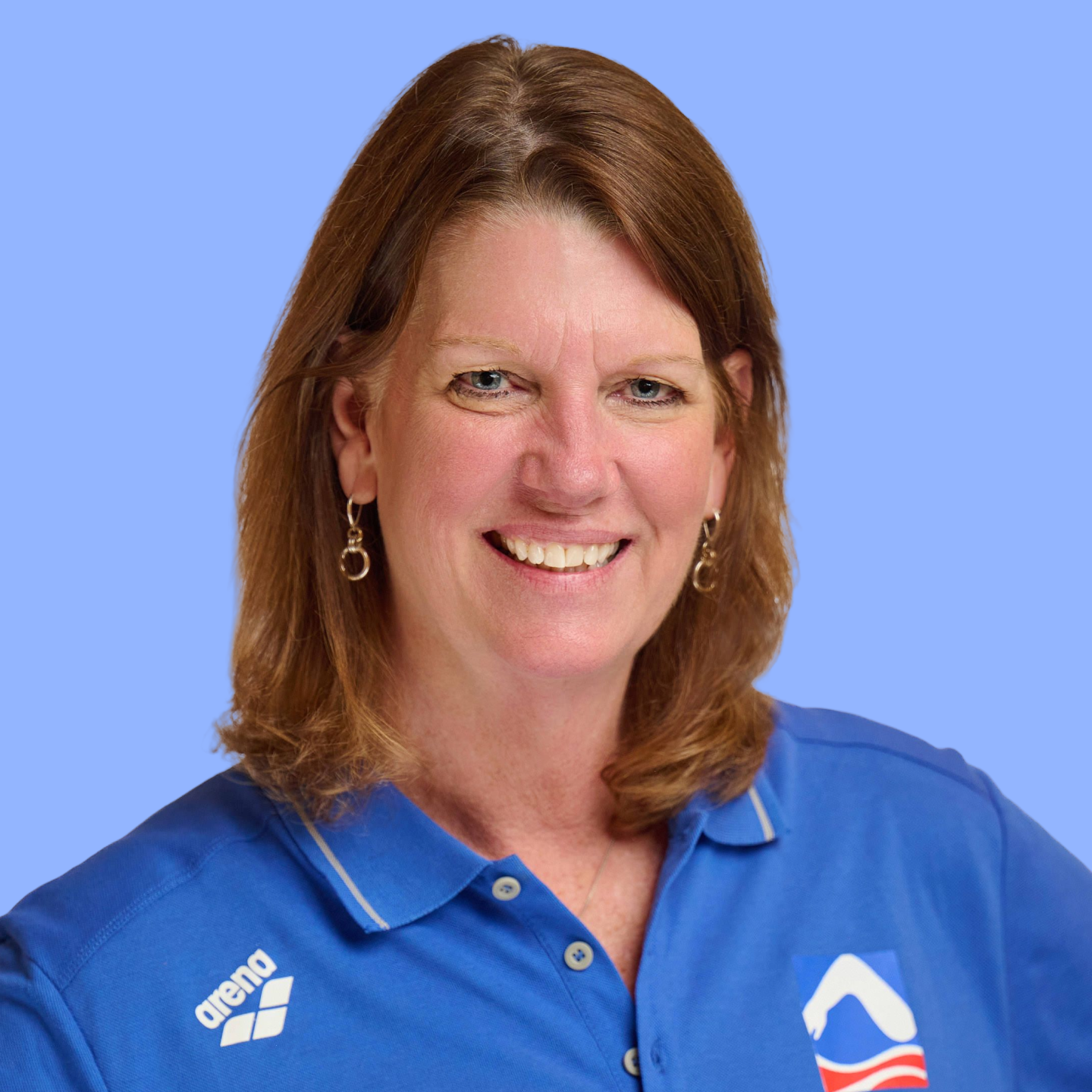
The American Swimming Coaches Association, or ASCA, serves as the professional association for swim coaches, with a mission centered on supporting, educating, connecting, and advocating for coaches across the sport. Since becoming CEO in 2021, Jennifer LaMont has brought a strong background in member-driven advocacy to the organization, including decades of experience working with teacher and professional associations. Her connection to swimming is also personal, as she grew up in the sport, became an accomplished swimmer, and credits swimming with shaping much of who she is today. In her role at ASCA, LaMont has focused on building a stronger sense of community among coaches while expanding access to resources, mentorship, education, and in-person learning opportunities. Under her leadership, ASCA has leaned into the idea that coaches learn best from other coaches, especially through shared experiences, honest conversations, and practical support. This conversation explores how ASCA is evolving to meet the needs of today’s coaches, from brand-new assistants to veteran leaders. It also highlights how the organization is working to address major challenges in the sport, including coach burnout, athlete retention, certification, and professional development.
Become an ASCA member: https://swimmingcoach.org/page/membership
More Ways to Explore Captyn

Demo
See Captyn in action by exploring top features and watching a free demo of the platform

Success Stories
See how organizations of all sizes are operating and growing their businesses on Captyn

Live Events
Meet up and chat with us at one of the many live events we sponsor and attend all across the country