%20-%20All%20Logos_Primary%20-%20Full%20Color.png)
Advice and Lessons Learned from Tony Batis of PASA

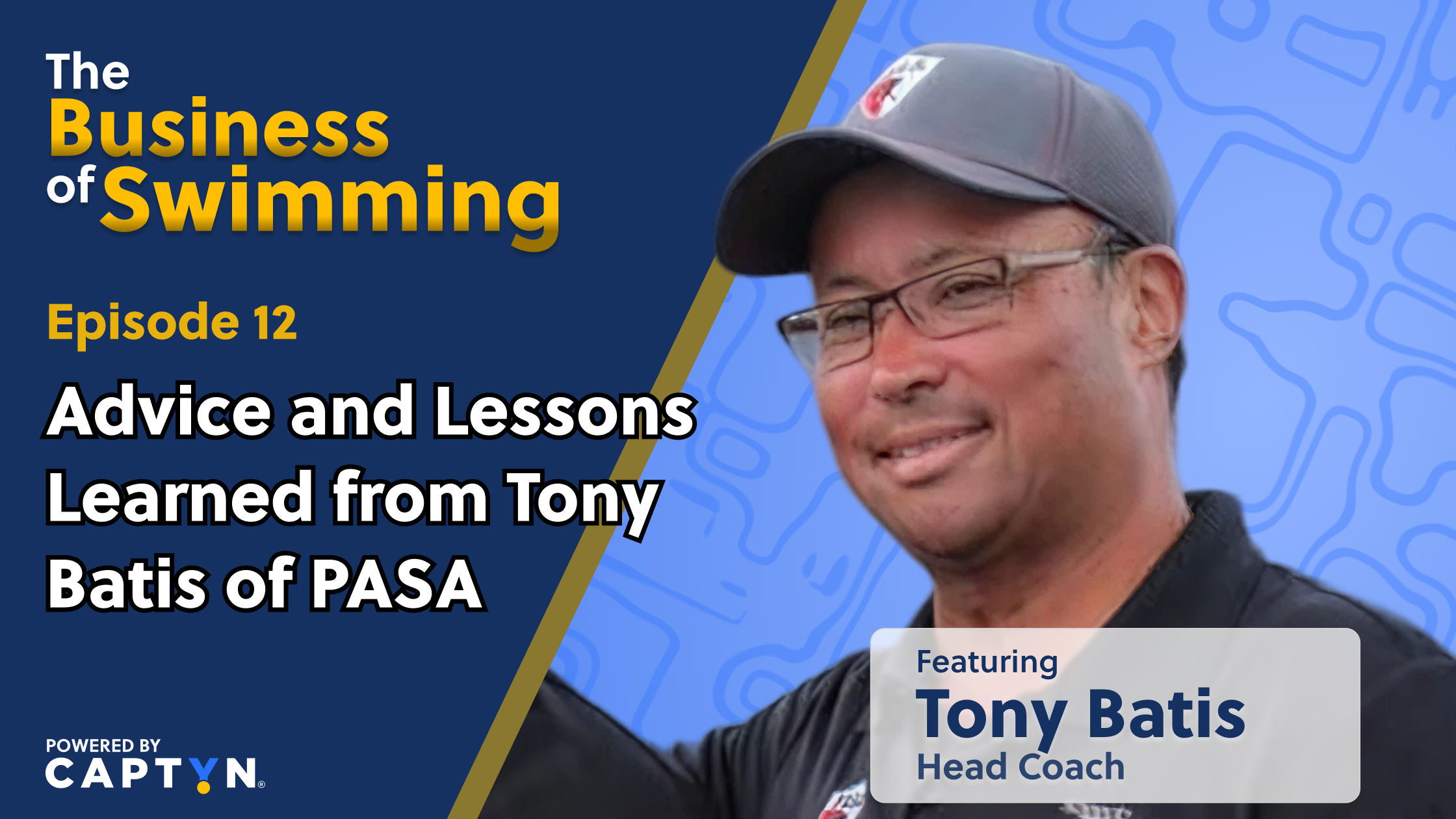
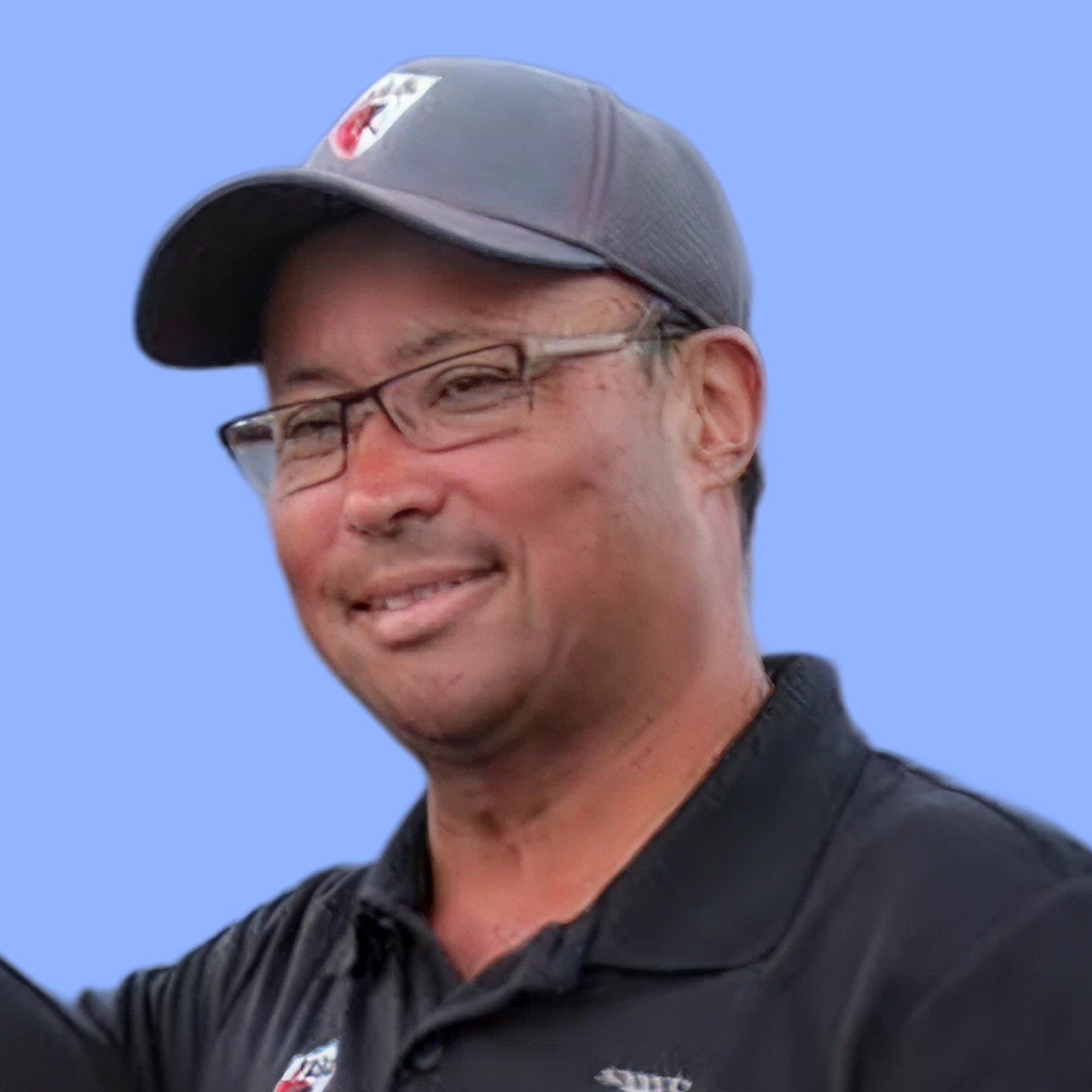

Tony Batis is one of the most respected and accomplished coaches in American swimming, with a career built on athlete development, long-term program success, and national-level impact. Since becoming Head Coach of the Palo Alto Swim Club in 1992 and helping found Palo Alto Stanford Aquatics in 2003, Tony has played a central role in building PASA into a national powerhouse. PASA athletes from the Rinconada Site have gone on to become high school champions, National Junior Team members, National Team members, NCAA All-Americans, NCAA champions, Olympians, and record holders at the LSC, national, high school, U.S. Open, and American levels.
Tony’s influence extends well beyond the pool deck at PASA. He has been recognized multiple times as Pacific Senior Coach of the Year and has served on several USA Swimming National Junior Team and National Team staffs, including as Head Women’s Coach at the Junior World Championships in Lima, Peru, and Assistant Coach for the Short Course World Championships in Istanbul, Turkey. A 1988 graduate of the University of Southern California, where he swam for four years and competed at the 1988 Olympic Trials, Tony brings a rare combination of elite swimming experience, coaching excellence, and business leadership to everything he does.
Through decades of coaching, mentorship, and program building, Tony has helped shape the careers of some of the sport’s top athletes while leaving a lasting mark on club, collegiate, national, and international swimming.
The Right Source of Motivation - WHY?
When Tony Batis talks about his “why,” he does not point to titles, records, or recognition. For him, coaching has always been rooted in the desire to live without regret. He wants to keep challenging himself, stay curious, and explore every part of the sport so he never looks back and wonders what might have happened if he had tried harder or done more.
That kind of motivation matters most when the work gets difficult. Coaching comes with early mornings, long weekends, tough seasons, and hard conversations. For Tony, the reason to keep showing up is simple but powerful: to know he gave everything he had. As he put it,
“The shortest answer I can give you for what is my “why” is to never say that I didn’t try.”
The Genesis of PASA
The idea behind PASA started with a simple realization: the local swimming community had more potential together than it did apart. Tony Batis and other coaches saw that within their own area, there was enough talent, coaching experience, and shared ambition to become something bigger than a strong local or regional program. By bringing multiple teams and sites to the same table, they could create more opportunities for swimmers, build deeper training groups, and show up at meets with the kind of depth that changes what a program believes is possible.
But Tony is clear that the success of PASA did not come from simply merging teams. It came from removing ego from the conversation and focusing on the greater good. In the early meetings, coaches and site leaders had to think beyond their own lane, their own site, or their own immediate needs. They had to ask what would help the entire program grow. Tony remembers bringing ideas to the group that he thought were fully formed, only to have a young coach challenge them in the meeting. What could have been a difficult moment instead became a turning point. The conversation opened up, more voices joined in, and the final idea became stronger because it belonged to the group.
That approach became part of PASA’s foundation. The program grew because people were willing to collaborate, disagree, adjust, and keep coming back to the same question: what is best for the swimmers and the program as a whole? Over time, that mindset helped PASA become one of the most successful club programs in the country, producing championship-level teams, national-level athletes, NCAA standouts, and Olympians. The lesson from Tony’s perspective is that sustainable success is rarely built by one person or one idea. It is built when talented people commit to a shared vision and are willing to grow together.
Ego in Coaching: Channeling Competition Positively
In a sport built around competition, Tony Batis does not pretend ego disappears. Swimmers compete. Teammates compete. Coaches compete. Even parents can feel that competitive pull. For Tony, the key is not to deny it, but to be honest about it. Everyone wants their swimmers to succeed, and in a multi-site program like PASA, every coach wants their group to perform at the highest level. The difference is making sure that competition never comes at the expense of the larger program.
Tony sees competition and ego as positive forces when they are channeled the right way. If they push coaches to learn more, prepare better, and help athletes reach the next level, then they can strengthen the entire team. But if they turn into resentment, comparison, or wasted energy, they become a distraction. His approach is to keep the big picture in focus: use competitive drive to grow the program, evolve as a coach, and become better as a leader and person. The goal is not to eliminate ego. It is to make sure it serves something productive.
Sustainable Growth and Community Engagement
As PASA began to grow, Tony Batis understood that success could not be measured by registration numbers alone. In the early years, the program quickly became something people wanted to be part of. It had a new identity, strong performances in the water, and a sense of momentum that helped it grow from roughly 600 swimmers in year one to more than 1,000 by year three. As Tony put it, “When you’re the new kid on the block and you’ve got the new shiny toy, everybody’s looking at it.”
But with that growth came a bigger business challenge: could the program scale without losing the quality of the experience? More swimmers meant more revenue and opportunity, but it also required more structure, consistency, and self-awareness. Tony believed every athlete needed to feel equally valued, whether they were “fast or fastest”, new to the sport or competing at the national level.
“There’s nobody slow in our program, you are either fast or fastest” he said. “In terms of importance, everybody has that same value.” That mindset became an important part of how PASA engaged its community and built trust with families.
Like any growing organization, PASA made mistakes along the way. Tony does not frame those growing pains as failures, but as part of the process of building a better business. The key was being willing to evaluate honestly, recognize where the program missed the mark, and make changes that moved it forward. As he explained,
“For any good business, your ability to have that self evaluation, recognition, and then do things to move forward with it is a hallmark for being able to continue to have steady growth.”
In business, as in coaching, sustainable growth comes from more than demand. It comes from delivering value consistently, listening to the people you serve, and evolving before growth starts to outpace the experience.
The Business of Coaching: Balancing Passion and Profit
For Tony Batis, the business side of coaching did not come fully formed. Like many coaches, he started with the craft first. At 25, when he became a head coach in Palo Alto, he was focused on writing workouts, earning trust, and proving he belonged on deck. But as the program grew, so did the reality that passion alone could not sustain the work. Coaching athletes may have been the purpose, but running the business well was what created the freedom to keep doing it.
As PASA evolved into a larger organization with multiple sites, partners, staff, families, and revenue streams, the role of coach had to expand into the role of business leader. Tony had to think beyond the next practice and start asking bigger questions: What supports sustainable growth? What investments make sense two, four, or six years from now? Where is the break-even point? What opportunities fit the mission, and which ones could become a drain on the program? That mindset led him to explore related business opportunities like retail, swim school, private lessons, and other aquatics services, not as distractions from coaching, but as ways to build a stronger foundation around it.
Tony’s advice for coaches is clear: being a business person with a plan is not a rejection of coaching. It is what gives coaches the ability to keep coaching.
“Being a business person with a plan for what you want to do is ultimately going to allow you the freedoms that you want to do what most coaches want to do, which is work with athletes.”
In a multi-site, multi-partner organization, that kind of planning becomes even more important. Every decision affects more than one person, one pool, or one season. It affects staff, families, partners, athletes, and the long-term health of the business.
But Tony also cautions against chasing growth at all costs. More hours, more programs, and more revenue can look attractive in the short term, but leaders have to measure the full cost. “Is there going to be some sort of net benefit that I’m getting from it, not just financially, but professionally?” he asks. Just as important, coaches have to consider whether they are creating something sustainable for themselves. “Am I burning the candle at both ends and setting myself up for some potential wellness issues down the road?”
The lesson is that coaching businesses need both heart and discipline. The passion for athletes may be what gets a coach out of bed, but business acumen is what protects that passion over time. Tony’s approach is to keep the full picture in view: professional growth, finances, relationships, mental health, and the long-term standards you are trying to build. “You’re not just diving in headfirst and saying, okay, I’m going to work 60 or 70 hours, I don’t care if I eat very much, I don’t care when I sleep, I want to make money.” For Tony, the goal was never just to grow bigger. It was to build something strong enough, thoughtful enough, and sustainable enough to keep serving athletes for years to come.
Hiring and Developing Coaches: Building a Strong Team
As PASA grew, staffing became one of the most important parts of protecting the program’s culture and experience. Tony Batis understood that hiring was not just about finding someone who knew the sport. It was about finding people who brought energy, personality, and a genuine joy for the work. “There’s a certain joy from doing things,” he explained. For Tony, that enthusiasm matters because knowledge can be developed. A coach can learn more about business, training, and program growth. But the right attitude, engagement, and excitement have to be there from the start.
Tony’s approach to developing coaches is not about creating copies of himself. In fact, he sees that as limiting. His job as a leader is to provide structure, support, and direction, while still giving coaches room to bring their own personality to the deck. As he puts it, “My job is to provide you with a canvas, your brush, and a set of paints. How you choose to paint, how you choose to organize that canvas, how you choose to set things up, that’s up to you.” That philosophy allows coaches to grow within the framework of the program while still developing their own voice and style.
That balance is what helps a staff deliver a consistent culture without feeling scripted. Tony believes coaches need parameters and support, but not constant hand-holding. He prefers real-time feedback over formal reviews, praising what works in the moment and addressing what needs to change when it happens. The goal is to help each coach evolve, not control every decision they make.
“They need to know that they’re being supported and that the program overall has created a culture and an environment that allows you to grow.” For Tony, building a strong coaching staff means creating a safety net, not a cage.
Brand and Culture: Creating Experiences that Make Lasting Memories
For Tony Batis, brand and culture are not separate ideas. They grow together. A swim team’s brand is not just its logo, caps, or team shirts. It is what people feel when they interact with the program, how athletes represent the team on deck and on the road, and the memories swimmers carry with them long after they leave.
As Tony put it, “Brand and culture are synonymous for any sort of business growth. You can’t do one without the other.”
At PASA, that culture was built through both intentional standards and organic traditions. The team made clear choices about how athletes represented the program at meets and travel events, from team apparel to how they showed up together. But some of the most powerful brand moments came from experiences that simply connected with people. Tony credits his wife with helping create traditions like “Where in the World is PASA,” where swimmers brought PASA shirts on vacation and took photos in front of landmarks around the world. What started as a fun idea became a way for athletes and families to feel connected to the program wherever they went.
The same was true with the rubber duckies. Tony shared how his wife would bring rubber ducks to meets and give them to swimmers after best times. Over the years, the tradition grew into something much bigger than a small prize. One former swimmer, now an adult working on Wall Street, told them he still had a bucket full of the duckies he earned during his time in the program. When Tony’s wife joked that the next generation could use them, the swimmer refused. “No way, I’m keeping my duckies. I earned those duckies.” That is culture. It is the small, repeated moments that become meaningful because they are tied to effort, accomplishments, and ultimately a symbol of belonging to something greater.
Those traditions helped PASA become more than a place where kids learned to swim fast. Halloween events, team picnics, awards traditions, older swimmers supporting younger swimmers, and shared team experiences all helped create an environment where athletes wanted to be and where parents trusted their children would grow. Tony believes that kind of culture becomes a driver of performance because it gives swimmers something larger to buy into. “You’ve now created an environment where kids want to be,” he explained. “You’ve created an environment where parents want to send their children on their journey and grow and know that they’re going to get more than just faster in the pool.”
The lesson for any team or business is that brand is not only what you say about yourself. It is what others remember, repeat, and carry forward. PASA’s reputation grew because the program worked on the product, reinforced its standards, and stayed willing to try new ideas. Some traditions stuck, some did not, but the willingness to create meaningful experiences helped turn culture into brand recognition. As Tony said, “When you surround it with a culture and an environment in which they see it and want to be a part of it, it makes the job ultimately easier.”
Building a Strong Team Culture
Building culture starts with self-awareness. Tony Batis believes young coaches often think they know how they are being perceived, but the reality can be very different. Before a coach can shape a team’s culture, they need to understand the people inside it. That means talking with athletes, parents, staff, and other people around the pool deck. Ask what motivates them, what brings them back each day, and what they hope the team experience becomes. Some answers may need guidance, but those conversations help a coach understand where the membership is, what expectations need to be managed, and where there is room to build something meaningful.
From there, culture is built by trying things, listening, and refining. Tony is clear that not every idea will work the first time.
“There’s not a single thing that I’ve done in my coaching journey that wasn’t a refinement of taking a chance on something that may or may not have stuck the first time.”
For coaches, that means creating team experiences, testing traditions, asking for feedback, and being willing to adjust. If something connects, build on it. If it misses, talk to the athletes and families it was meant to serve. Ask, “What missed?” or “How would you have done it differently?” That feedback becomes part of the culture-building process.
Tony also cautions coaches not to get so focused on creating their own individual footprint that they miss the good ideas around them. Staff members, parents, and athletes can all help shape a stronger culture if the leader is willing to listen.
“If you’re willing to let go of it in the moment of discussion of something that’s going to be progressively better and positive for your program, ultimately you’re going to hear some things that will help you be better at it.”
The goal is not to humble yourself for the sake of it. The goal is to be receptive when someone offers an idea that can make the program better.
The practical takeaway is to create standards and experiences with intent. Decide what your team represents, how athletes should show up at meets, how parents should experience communication, and what traditions reinforce belonging beyond performance. At the same time, give yourself permission to miss. Tony compares it to baseball: if a hitter succeeds three out of ten times, they can become one of the best in the world. Coaches need a similar perspective. Not every cultural idea will land, but if the intent is right and the follow-up is thoughtful, the program can still move forward.
Finally, Tony points out that culture now extends beyond the pool deck. Social media, cell phones, and constant visibility mean coaches and athletes have to be more aware of how they represent the brand in public. What may feel harmless in the moment can be misread when attached to the team name or logo. That does not mean living in fear, but it does mean being intentional. “You have a large percentage of control of what you put forth,” Tony explained. Strong culture is not just what happens at practice. It is how the team represents itself everywhere.
Advice on Navigating Early Coaching Challenges
For young coaches stepping into leadership, Tony Batis understands the feeling of simply trying to survive. “Through the lenses of a 25-year-old, all you’re really thinking about in the moment is how do I survive? How do I not screw this up?” Early in a coaching career, it is easy to focus only on the next practice, the next meet, or the next problem in front of you. But Tony’s advice is to recognize that the answers you need are often already around you.
His biggest recommendation is simple: go talk to people. “Most people have in front of them, surrounding them in the area, sage wisdom,” Tony said. “The idea is, are you willing to put yourself out there and go talk to people?” That wisdom might come from the oldest coach on deck, a longtime official, or a parent who has already taken multiple kids through the sport. Tony encourages young coaches not to make those conversations overly formal. “Don’t go in there with a list of questions,” he said. “Just talk to them.”
For Tony, learning from others was not limited to the coaches with the fastest swimmers. He looked for people who had been through the process and understood the many layers of coaching, including organization, management, relationships, business, and athlete development. “Go find the oldest coach on a pool deck, the haggard, weathered person, and go talk to them,” he said. “Go find an old official on the pool deck who’s been around forever.” The point is not to copy someone else’s career. It is to collect perspective.
He also reminds young coaches that advice does not always have to be used immediately. Some lessons may make sense right away, while others may sit in the back of your mind until you are ready for them. “Maybe there’s certain things that resonate that you’re willing to use and move forward with,” Tony said, “and there’s other things that maybe you store back in the back of your toolkit and you bring it out later.” That, in many ways, is the real work of becoming a better coach: listening, reflecting, and deciding what fits the moment you are in.
Tony’s final piece of advice is to resist the urge to treat every idea as right or wrong. “You need to be able to listen,” he said. “Even if I 100 percent disagree in the moment, what am I doing? I’m thinking about why it is I feel that way.” For a young coach, that mindset is invaluable. Every conversation becomes a chance to grow, sharpen your thinking, and build a stronger foundation for the future. As Tony put it, “If you hear it and you relate it to where you are in the moment, that helps you to at least give you perspective. And then you can choose what you need to move forward from that.”
Tony’s Wishes for Swimming
When Tony Batis thinks about the future of swimming, one of his biggest wishes is for the sport to become more open with knowledge. Too often, coaches treat their ideas, training methods, business practices, or lessons learned as if sharing them means giving away an advantage. Tony sees it differently.
“The sharing component shouldn’t be viewed as I’m releasing state-sponsored secrets,” he said. In his view, the sport gets better when coaches are willing to exchange ideas, whether that means talking about training, athlete development, securing water time, building a business, or helping young swimmers fall in love with the sport.
Tony believes swimming needs a more consistent way to preserve and share the wisdom of coaches who have spent decades learning through experience. “We have plenty of great elite coaches who are retiring or in some cases unfortunately pass away,” he said. “That knowledge is gone forever and you never get to go back and find that out.” His hope is for more mentorship, more shared resources, and more conversations that help the next generation avoid some of the potholes others have already hit.
His second wish is for swimmers, parents, and coaches to take a longer view of what the sport can become in someone’s life. For Tony, swimming has been part of his journey for more than 50 years, and he sees it as much more than a path to goals, times, or championships. “If I had to go back and tell nine-year-old Tony what swimming can be, the reality is it can be everything and anything you want it to be,” he shared. The sport can shape friendships, careers, confidence, discipline, family experiences, and lifelong connection to aquatics.
That broader perspective is what Tony hopes more people recognize. Coaches are not just helping athletes chase cuts or podiums. They are sharing a journey with young people and their families. “That journey is helping me become who I am. It’s helping their parents become who they are. It’s helping all their friends become who they are.” His wish is for the sport to be more self-aware of that responsibility and opportunity, so swimmers can carry the value of their experience well beyond club swimming, college swimming, or their competitive years.
More Ways to Explore Captyn

Demo
See Captyn in action by exploring top features and watching a free demo of the platform

Success Stories
See how organizations of all sizes are operating and growing their businesses on Captyn

Live Events
Meet up and chat with us at one of the many live events we sponsor and attend all across the country