%20-%20All%20Logos_Primary%20-%20Full%20Color.png)
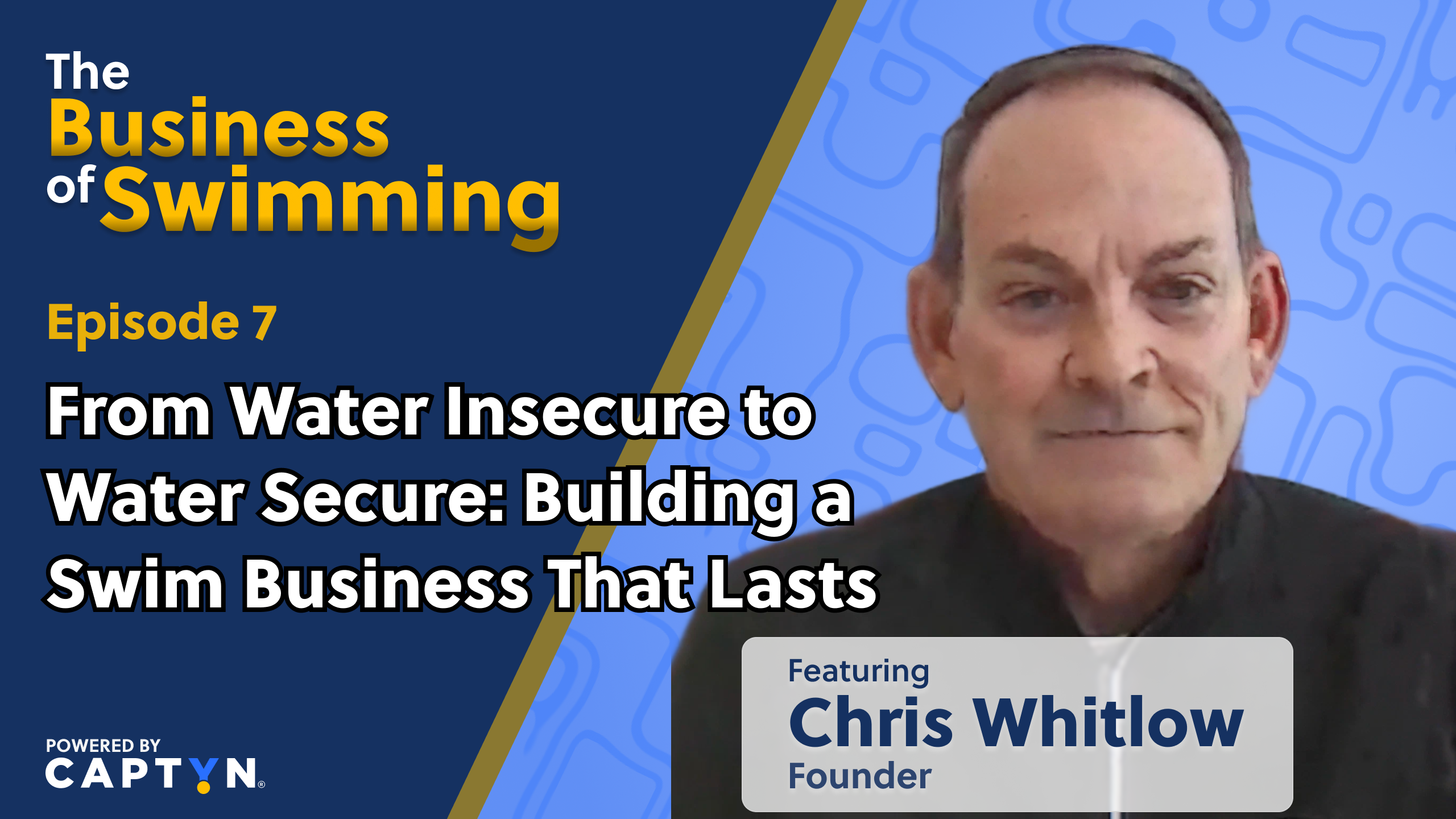
From Water Insecure to Water Secure: Building a Swim Business That Lasts



From Water Insecure to Water Secure: Building a Swim Business That Lasts
For most swim clubs, the biggest threat to their future isn’t a lack of talent or a poor coaching staff; it’s water insecurity. If you are renting lane space from a third party, you are living at the mercy of their schedule and their survival. As Chris Whitlow, founder of SERG, puts it:
"Someday you won't have water. Unfortunately, that's what will happen... because your vision is not always the vision of the facility you use."
To move from providing a service to owning a business, you must move from being a renter to a stakeholder. The most efficient bridge to that security? Utilizing existing outdoor water year-round.
Who is SERG?
Sporting Event Resource Group (SERG) brings over 20 years of expertise in site-specific engineering to the aquatic world. Unlike generic tent companies, SERG specializes in fully engineered, custom clear-span structures designed specifically for your location's IBC Code requirements (wind and snow load). They don't just provide a cover; they provide a "turnkey" solution that transforms an outdoor pool into a functional indoor facility that you control.
Case Study: Stingray Aquatics
In 2002, Stingray Aquatics in Atlanta made that leap and was SERG’s first customers. They partnered with SERG to cover their pool, which allowed them to grow their team and fundraise consistently over the next eight years.
The structure wasn't their final destination; it was the engine. As Chris recounts, "They were able to grow their team” eventually Stingrays became a big enough impact in their community they were able to partner with the county and build 3 pool and working on another. They didn't just throw away their old structure, either; they resold it, proving that these buildings are assets, not sunk costs.
Learn more about Stingrays Aquatics programming your pool for success.
The "Unicorn" Timeline: Enfinity Aquatic Club
Tim Hillen at Enfinity Aquatic Club needed a solution fast. While most traditional construction projects take 18 to 48 months, Tim worked with SERG to move from a site visit in February to a standing building by October. By handling 90% of the local permitting legwork while SERG provided the engineering packs, Tim secured his business most valuable asset - WATER. Now he has control over practice times, closures, for EAC’s learn to swim, swim team, and masters programs. Tim also secured the ability to run clinics, camps and other high-profit programming.
Learn more about Enfinity Aquatic Clubs journey to water security here
The Commonality: Business Owner First, Coach Second
Chris Whitlow is blunt about what separates successful clubs from those that struggle: "You have to figure out if you want to be on the deck or if you want to run a business. And if you want to be on the deck..." find somebody to run the business.
90% of his most successful customers, like one owner in Charlotte with 1,200 kids, haven't been on deck full time in 15 years because they are focused on growth and systems. If you have the discipline to lead a practice, you must apply that same discipline to your business plans. Everyday you have to be doing something that moves your organization closer to the end goal.
Water Insecurity Reality Check
"Someday you won't have water” because you don’t own it. All it takes is for new leadership at the facility you use to end a relationship. Worse, a negative incident leading to lane space vanishing overnight. If you are operating a business not a service you need to control the product you are delivering. In swimming we are delivering quality instruction, life saving skills, and life long lessons that build amazing human beings. Swim teams must have two assets, great coaches and water access. If you can’t secure both then you don’t have a stable business.
Assets vs. Sunk Costs: The Resale Value
One of the most compelling reasons to cover a pool is the financial flexibility. Unlike renting, these structures are depreciable assets, not sunk costs. Instead of writing large checks every month to a facility you start investing back into the organization.
Take the original Stingray structure: after they moved into their indoor facility, the building was sold to a club in Augusta, then moved back to Atlanta for another six years, and eventually put up for Swim Atlanta at a private Christian school. Because these are "repossessable assets," banks and leasing companies are often more comfortable financing them than a permanent structure.
The "Ground Floor" Conversation
The most important step is starting. Chris emphasizes the importance of involving experts early, even just to look at Google Earth and meet with stakeholders, HOAs, or city officials. "The sooner the better. Getting in on the ground floor." Coaches often view asking for help as a failure, but in business, it’s a requirement for success. Chris also mentions Sue and Mick Nelson from Total Aquatic Programming that have been helping communities, and swim teams plan, fund and build pools for the last 40 years. Experts like Chris, Sue and Mick can help by answering your questions but also help prevent you from making mistakes. They have seen it all when it comes to what not to do.
Here is a link to the Total Aquatic Programming Business of Swimming Podcast.
The Dos and Don'ts of Covering a Pool
- DO: Separate your "dry" land training and "wet" pool areas. Training equipment is not made for damp environments and will end up "rusting and rotting out."
- DO: Invest in pool blankets. They are a critical item that can save over 50% on heating costs, reduce humidity build up and increase longevity of everything in the pool.
- DO: Take care of your investment. Proper maintenance keeps the resale value as high as possible.
- DO: Invest in the right HVAC, heaters, and environmental controls. As Chris warns, skipping these now will only cost you more in the long run.
The Benefits: A Bridge to Your Future
- Revenue Growth: 24/7 control of your water allows for diverse revenue streams like Learn to Swim, Masters, and homeschool groups. This creates more value in your organization and allows for future investments.
- Timeline: This is closer to a turn key project. Building a facility could take years just to plan and fundraise for not to mention years to build and open. Covering a pool can happen in 9-18 months.
- Cost: A much cheaper option than a permanent building, serving as the bridge between renting and owning a full aquatic facility. With the ability to resell the structure you can recoup part of your upfront cost as renting is just an expense.
The SERG Pool Cover Journey: From Vision to Splash-Ready
Getting a high-quality pool cover structure shouldn't feel like a deep-dive into red tape. Here is exactly how we get you covered, step by step.
Step 1: The Virtual First Look
First, we keep it simple. You send us your pool’s address, and our team pulls it up on Google Earth. This lets us get a bird's-eye view of your facility so we can start dreaming up the perfect fit before we even chat.
Step 2: Vision & Value
We’ll jump on a call to talk about how you actually plan to use the space. Once we know your "Vision of Use," we’ll build a Budget Proforma. This is a clear breakdown of what we handle and what you’ll need to prep on your end. We’ll even create a concept model so you can actually see what the structure will look like over your water.
Step 3: Getting the Details Right
Ready to move? We’ll head out to your facility for a site visit. We’ll double-check those Google Earth measurements against the real-life deck space to make sure the layout is spot on.
Step 4: The Paperwork (The Easy Way)
Once you sign the engineering agreement, we provide the official Engineering Report. You’ll use this to get your permits from the local Building Code Officials or the Fire Marshall (depending on if your structure is temporary or permanent). As soon as that permit is in hand, we’ll execute the purchase contract and get to work.
Step 5: While We Build, You Prep
While we’re manufacturing your structure off-site, you’ll need to pick your local "all-star team" for the finishing touches:
- General Contractor: To set the foundations (we provide the design!).
- Electrician: To handle the lighting.
- Plumber: To run gas lines or pool heaters if you need them.
Step 6: Installation Week
This is where the magic happens! We need about 3 to 4 days of pool closure to get everything standing. On day two, your electrician and plumber will pop in for their on-site visit.
Captyn helps you manage the registration, activities, and people management that turn your water security into a thriving business. Learn how to maximize your facility's ROI.
More Ways to Explore Captyn

Demo
See Captyn in action by exploring top features and watching a free demo of the platform

Success Stories
See how organizations of all sizes are operating and growing their businesses on Captyn

Live Events
Meet up and chat with us at one of the many live events we sponsor and attend all across the country