%20-%20All%20Logos_Primary%20-%20Full%20Color.png)
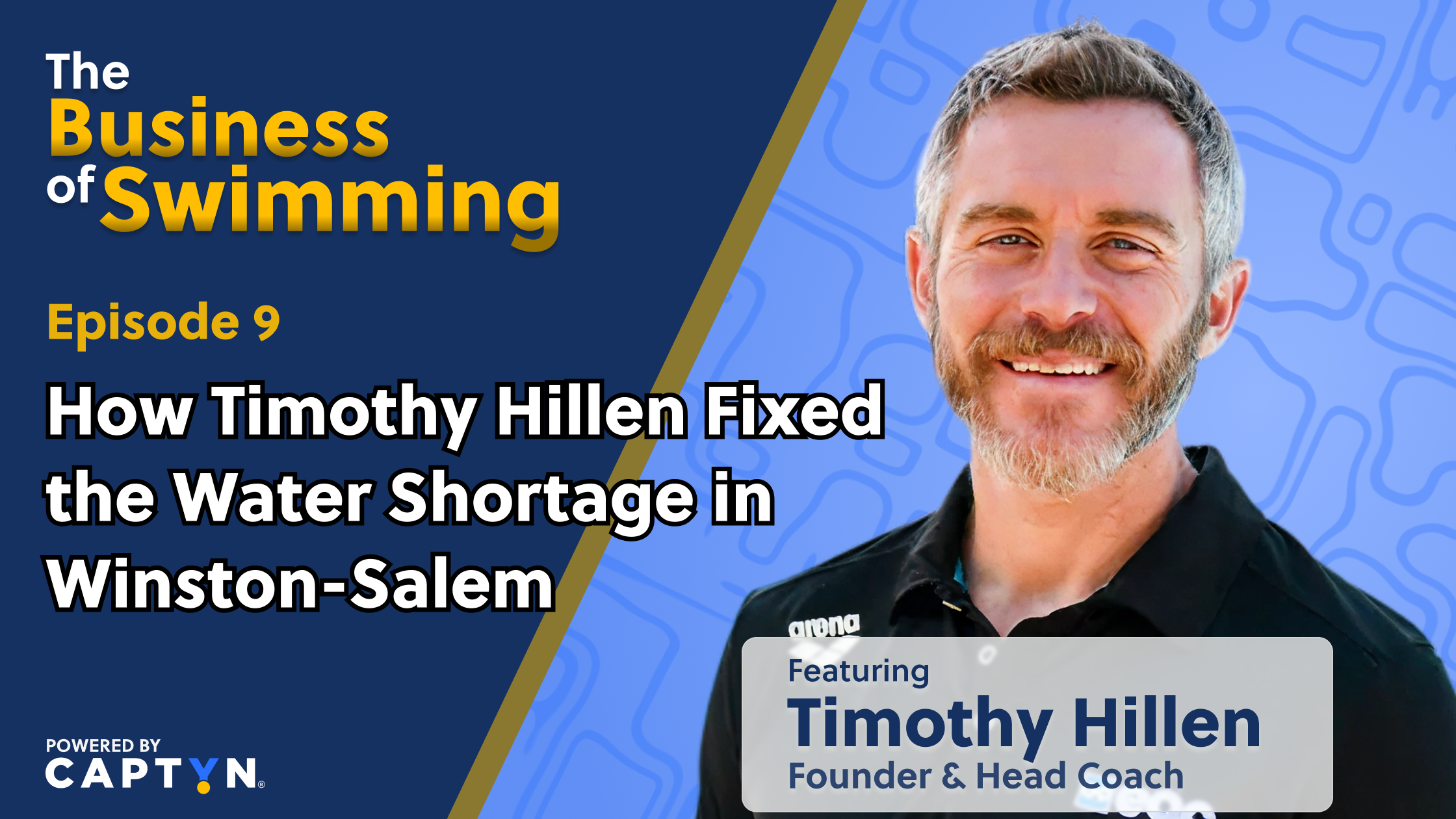
How Tim Hillen Fixed the Water Shortage in Winston-Salem


From Water Insecure to Water Secure: How Tim Hillen Built Stability in Winston-Salem
The dream for most swim programs is simple to describe and brutally hard to achieve: a permanent facility, full control of your water, and the ability to grow without constraints. The reality is different. Most teams live in a constant state of negotiation, patching together lane space across multiple facilities, hoping nothing changes.
The programs that make it to the other side rarely do it in one leap. They build a bridge.
This is a story about what that bridge actually looks like in practice.
Water Security Starts Before You Build
Water security is often framed as a construction project. In reality, it is a business milestone.
Before a team ever breaks ground, it has to prove something much harder: that it can survive instability, generate consistent demand, and operate with enough discipline to justify expansion. This is the core principle behind Total Aquatic Programming (TAP), building diversified programming and predictable revenue first, then designing a facility around what actually works.
For some programs, that path is long. Others find a faster bridge, enclosing existing outdoor water to unlock year-round operations without waiting years for a full natatorium.
Enfinity Aquatic Club is what happens when that bridge becomes necessary.
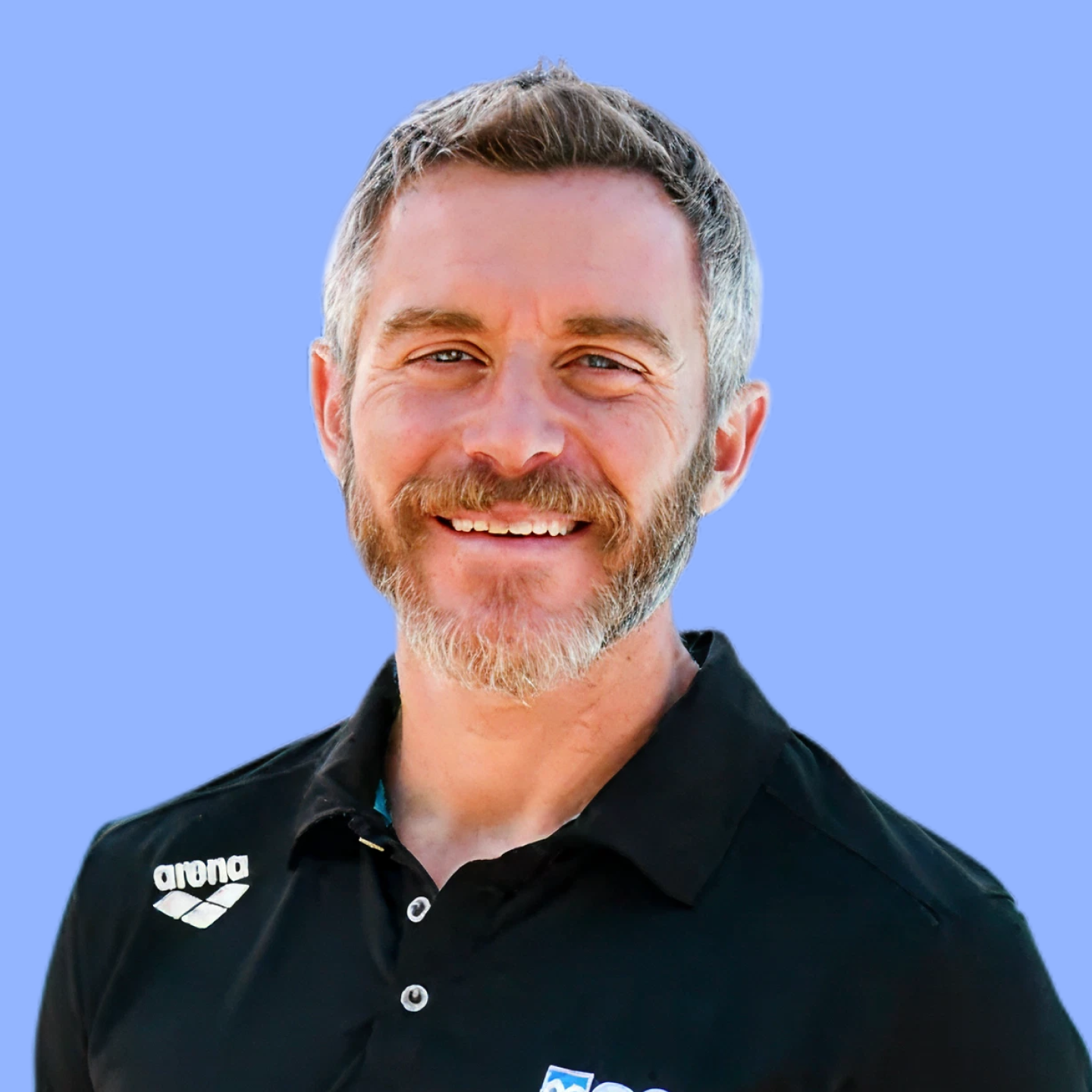
Meet Tim Hillen and Enfinity Aquatic Club
Tim Hillen did not start with a facility. He started with 12 swimmers.
As Co-Founder of Enfinity Aquatic Club, Tim grew the program into a 500+ athlete organization across the Winston-Salem region. His background blends two disciplines that do not always show up together in coaching: over two decades on deck and a formal business education.
That combination matters, because water insecurity is not just an operational problem. It is a business risk.
And in Winston-Salem, that risk was constant.
The Reality of Water Insecurity in Winston-Salem NC
Before securing Sherwood, Enfinity’s “facility plan” was not a plan at all. It was a rotating system of access points, each with its own constraints, politics, and fragility.
At various points, the team relied on:
- Winston-Salem State University
- Wake Forest University
- Salem College
- Bolton Park City Pool
- Westwood Summer League Pool
- Sherwood Summer League Pool
This is the lived experience of water insecurity. You are not building on a foundation. You are balancing on availability and operating on thin ice.
Early mornings become standard because they are the only hours available. Relationships become critical because access is often tied to people, not contracts. And every season carries an underlying risk: one leadership change, one facility issue, or one scheduling conflict can remove a key piece of your operation overnight.
As Tim put it, “I’ve been on four pool decks over the last 15 years and they just keep closing.”
That is not an outlier. That is the model most teams are operating in.
Building Lane by Lane
Tim did not try to solve this all at once. He built deliberately, and within constraints.
He expanded only when revenue justified it. He packed lanes before adding more. He treated every facility relationship as long-term infrastructure, not transactional access.
“Lane by lane, I would not rent a single lane unless I could afford it. I really packed those lanes at the beginning.”
This is what disciplined growth looks like in a constrained environment:
- Start with what you can afford, not what you wish you had
- Maximize utilization before expanding footprint
- Build programming that fills water consistently
- Protect relationships as if they are part of your balance sheet
That approach works, until the environment changes.
The Breaking Point
Eventually, the instability caught up.
Facilities began to close or reduce access. Salem’s situation deteriorated. Winston-Salem State shut down operations due to HVAC issues. Wake Forest remained supportive, but availability was limited.
The pattern was clear: renting water is not a long-term strategy when supply can disappear without warning.
“We got the news… that we were going to be gone.”
At that point, the question was no longer how to grow. It was how to survive.
The Bridge Strategy Becomes Real
This is where the concept of a “bridge” stops being theoretical.
Instead of waiting for the capital, approvals, and timeline required to build a permanent indoor facility, Tim pursued a different path: enclosing existing outdoor water to extend its usability year-round.
This approach does not eliminate all constraints, but it fundamentally changes one variable: control.
With the right structure, a seasonal pool becomes a near year-round asset. Programming stabilizes. Revenue becomes more predictable. Planning becomes possible.
For Enfinity, that idea turned into a real opportunity at Sherwood with the help of Chris Whitlow at SERG.
The Sherwood Partnership
The breakthrough was not just about infrastructure. It was about alignment.
Tim approached Sherwood leadership with a clear vision: invest in the facility, extend its usability, and create a shared benefit. Sherwood would gain year-round activation and improvements. Enfinity would gain consistent operational control.
“That pool’s been around forever… and to see their pool year by year improve… is pretty cool.”
This is what strong partnerships look like in practice. Both sides win, and the asset becomes more valuable over time.
The Numbers Behind the Decision
What makes this story useful is that it is not abstract. The financials are real and accessible compared to a full facility build.
Tim described the investment in practical terms:
- Structure cost: approximately $200K–$250K
- Down payment: around $120K
- Installation: roughly $30K upfront
- Total project cost: about $350K
- Annual setup/teardown: approximately $12K
- Financing: five-year loan structure
This is not a small decision, but it is a fundamentally different category than a 10 million-dollar natatorium. More importantly, it behaves differently than rent. It starts to act like an asset that supports year-round revenue generation, right offs, and depreciation of assets all improving the bottom line.
That shift, from expense to control, is the core of water security.
What Changes When You Control Your Water
The impact is immediate, and structural.
With control of the water, Enfinity was able to stabilize its core programming and expand into new areas. Age group development became more consistent. Additional users, including high school programs, could be integrated. New offerings like masters swimming, lessons, and camps became viable.
But control comes with responsibility.
“It’s been great… but I used to just write a check, and now I write checks for utilities.”
The tradeoff is clear. You gain stability and flexibility, but you inherit operations:
- Utilities and ongoing costs
- Maintenance and repairs
- Weather planning and risk management
- The need for a reliable support network to fix problems quickly
Water security is not easier. It is more controlled.
What Comes Next
For Tim, the tent is not the end state. It is the bridge.
The long-term vision is a permanent, community-oriented facility that supports more than just competitive swimming. The focus is on learn-to-swim, warm water access, and broad community engagement.
“Fast swimming is not a sustainable business model. It’s got to be a pyramid.”
That pyramid includes lessons, entry-level programming, and community access, all feeding into competitive pathways. And it requires infrastructure designed for that purpose.
The difference now is that the next step is being built from stability, not survival.
A Message to Coaches Still Renting Water
For coaches operating in water-insecure environments, this story is not theoretical. It is a roadmap.
The constraints are real. The risks are constant. But there are still levers you can control:
- Start partnership conversations before you need them
- Build a clear plan for how water will be used and funded
- Focus on programming that generates consistent demand
- Align with stakeholders who benefit from your success
And most importantly, maintain perspective when the environment shifts.
“The only thing I can control every day is my attitude and how I coach.”
“Your team doesn’t end until you say it’s done.”
That mindset is not a cliché. In a water-insecure system, it is a requirement.
Because the path to water security is not a straight line. It is built, step by step, decision by decision, long before the facility ever exists.

More Ways to Explore Captyn

Demo
See Captyn in action by exploring top features and watching a free demo of the platform

Success Stories
See how organizations of all sizes are operating and growing their businesses on Captyn

Live Events
Meet up and chat with us at one of the many live events we sponsor and attend all across the country