%20-%20All%20Logos_Primary%20-%20Full%20Color.png)
People, Process & Technology at Rochester Aquatics

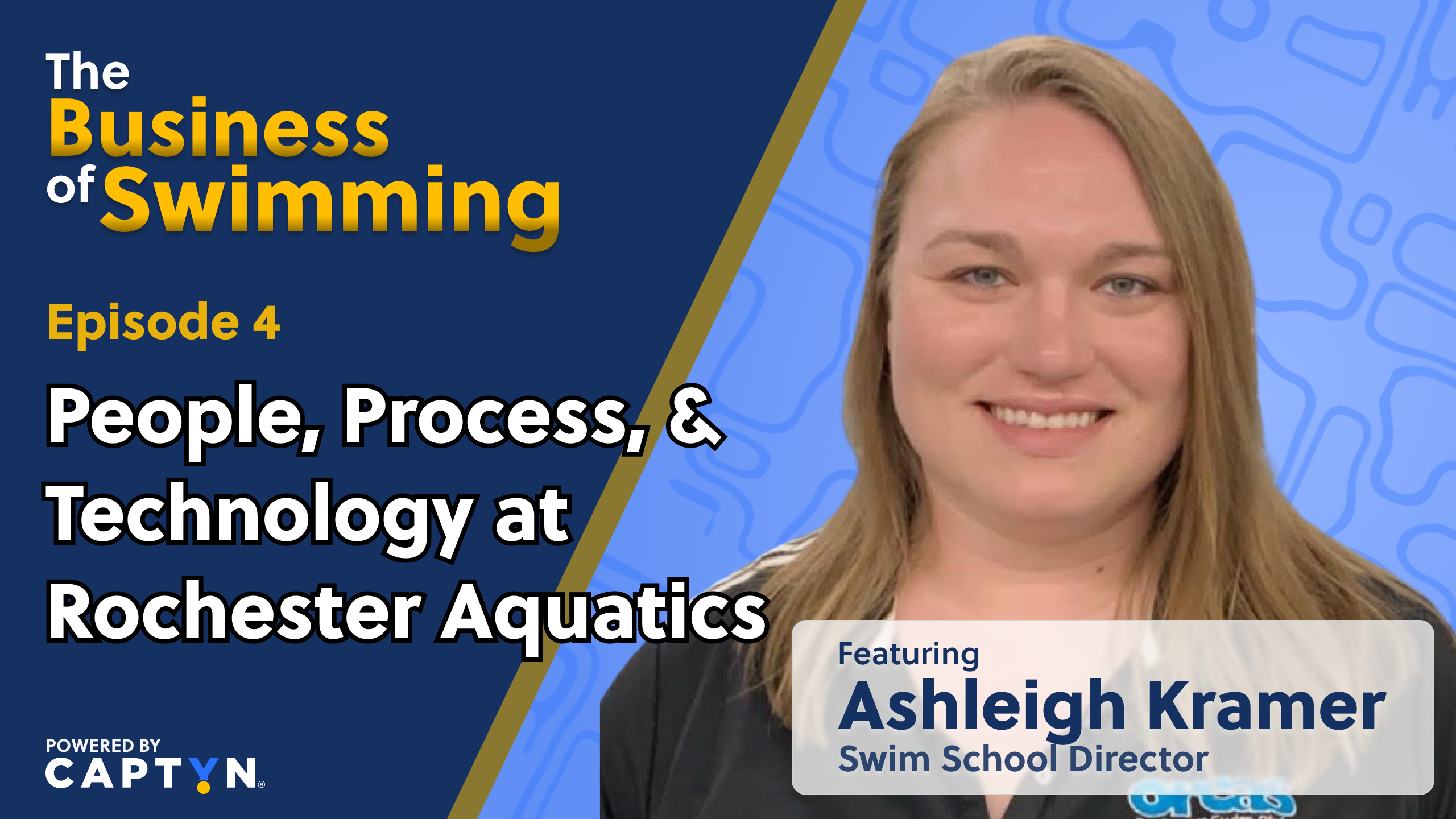

How Rochester Aquatics Built a Sustainable Growth Machine: A Masterclass in People, Process, and Technology
Rochester Aquatics operates in a unique bubble. Located in Rochester, Minnesota, just far enough from the Twin Cities to be distinct, it is a program with a 75-year history and a massive footprint. They serve 600–700 lesson swimmers weekly and manage a competitive team of over 300 athletes.
But a few years ago, the operation looked very different. It relied on a massive staff of 76 instructors, many of whom worked only one shift a week. Administrative redundancy was high, and capacity was capped not by water, but by inefficiency.
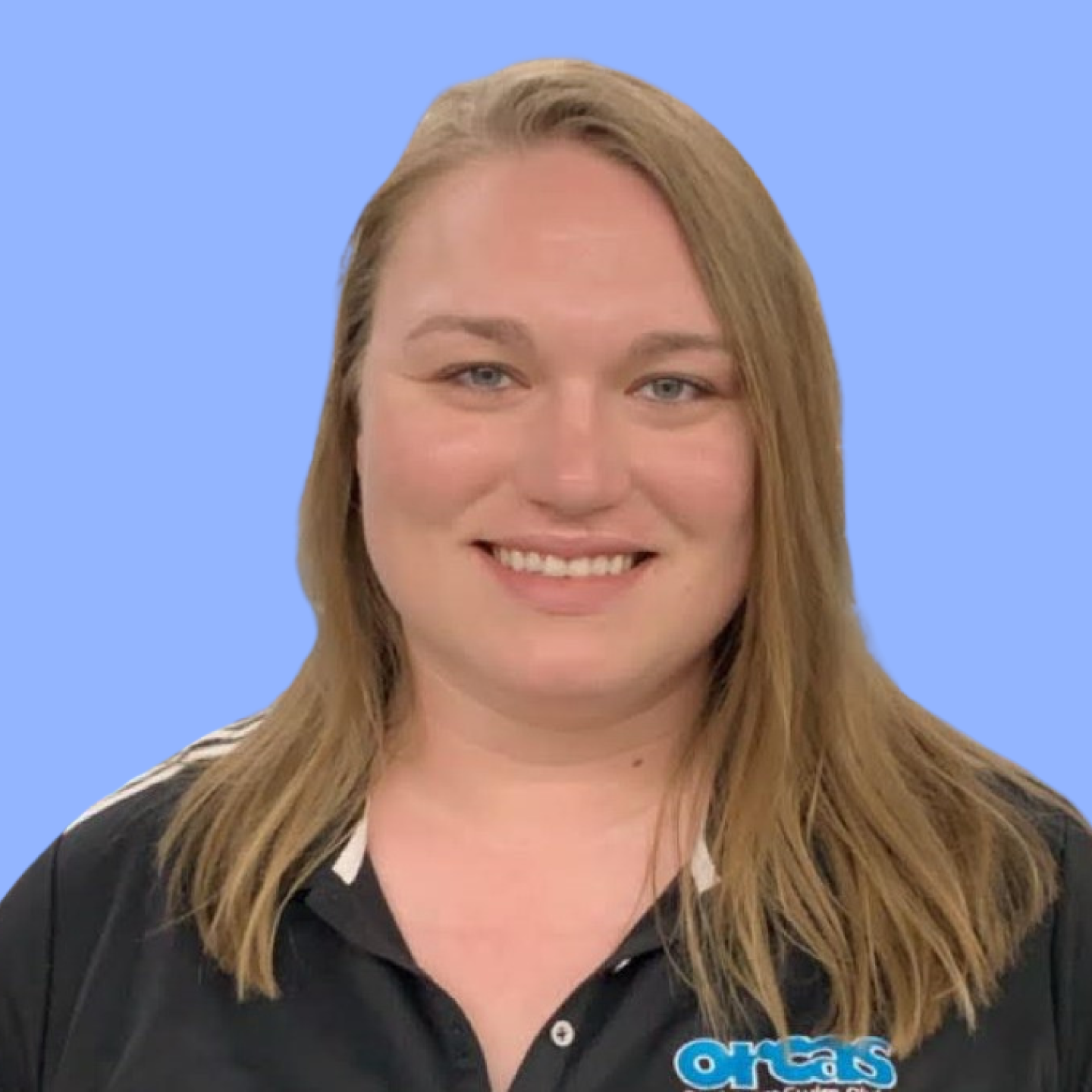
Today, Swim School Director Ashleigh Kramer runs the same volume with a "lean, mean fighting crew" of just 31 high-performance staff members. Classes sell out in minutes, and the program has transformed from a "sidecar" into a primary engine of growth.
How did they do it? They didn't just hope for better results. They built a sustainable system based on three pillars: People, Process, and Technology.
1. Customer Acquisition: Expanding Capacity & Product Lines
"Selling out in minutes" sounds like a dream for most businesses, but for Ashleigh, it was a nightmare.
"When you’ve filled your classes and have to say 'no' to 300 families, it’s a very sad thing to do."
— Ashleigh Kramer
Turning away customers doesn't create loyalty; it creates frustration and lost revenue opportunities. Rochester Aquatics realized they didn't have a demand problem, they had a capacity problem.
The Process: Optimizing Swim America Group Lessons and then Diversify
To fix this, they critically analyzed their water time. Swim America Lesson structure already allowed Rochester to optimize pool space, and provide larger families with a consolidated lessons experience. Learn more about Swim America here. Ashleigh was able to move past just prime time lessons and added weekend and off hours to increase capacity and take advantage of open pool space. Once she maximized her Swim America program she looked to diversify and service other swimming needs in the community.
- Infant Safety: Using the Swim America curriculum to capture the youngest demographic.
- Adaptive Lessons: Partnering with Swim Angelfish to serve neurodiverse children who might struggle in traditional group settings.
- Adult Learn-to-Swim: Serving a demographic often ignored by youth-focused programs.
The Technology: Scaling Private Lessons
Captyn’s custom built Swim American platform allowed Ashleigh to quickly and easily expand group lessons. But, the biggest unlock came from private lessons. Previously, scheduling privates was a manual grind involving Google Forms and endless emails. It was unscalable. By leveraging Captyn, they automated the entire process. Instructors now post their own availability, and parents book slots directly. This removal of administrative friction allowed private lessons to explode in volume, turning dead water time into high-yield revenue.
Business Concept: The Ansoff Matrix (Strategic Diversification)
Ashleigh’s strategy is a textbook application of the Ansoff Matrix, a strategic planning tool published in the Harvard Business Review. By taking existing products (lessons) into new markets (Adults, Infants, Adaptive), she executed a "Market Development" strategy. This approach diversifies revenue streams and reduces reliance on a single demographic, creating a more resilient business model.
{Learn more about Captyn’s custom built Swim America Lesson Templates}
2. Customer Retention: The Power of Celebration
Getting families in the door is step one. Keeping them requires something more than just good instruction—it requires connection.
"People are seeking authentic connection. They can tell when you don't know their name."
— Ashleigh Kramer
The Process: The Culture of Celebration
Rochester Aquatics built a retention engine fueled by "micro-recognitions." They gamified the progress to ensure every child feels like a hero:
- Branded Gear: Every new swimmer gets a branded swim bag to put their wet suit in—a functional gift that builds immediate belonging.
- Visual Progress: Bag tags get "star punches" as swimmers advance.
- Wall of Fame: When a swimmer levels up, their name goes on a bright star in the hallway for everyone to see.
- More Cowbell: Literally. Every time a swimmer moves up a level, the staff rings a cowbell on deck. Because honestly, who doesn’t need more cowbell?
The People Alignment: Top-Down Vision
Retention is also structural. Rochester Aquatics rebranded to align the entire "aquatic pathway”. From infant lessons to the senior competitive team under one mission of becoming “Your Gateway to Water Safety and Aquatic Excellence”. This signals to families that they aren't just buying swim lessons there is more to offer.
Business Concept: The Emotional Connection
Harvard Business Review research ("The New Science of Customer Emotions") highlights that "Emotional Connection" is a stronger driver of customer value than customer satisfaction. By creating shared moments of celebration (the cowbell, the star wall), Rochester Aquatics creates a sense of "belonging." Emotionally connected customers have a 306% higher lifetime value than merely satisfied customers, staying longer and recommending the brand more often. This is especially true when you offer a product for every step of the customer's aquatic journey.
3. Staff Development: Fewer People, Higher Impact
Perhaps the most radical move Ashleigh made was reducing her staff headcount by nearly 60% (from 76 to 31) while maintaining the same program volume. This is possible because of the structure and process of Swim America Lessons. Allowing for all levels of lessons to occur at every time slot means instructors and pool space more closely align with demands for certain classes.
The People: High Standards & High Pay
They shifted from a model of "warm bodies" to "dedicated professionals." They instituted a minimum commitment (e.g., two shifts per week) and significantly raised pay rates.
"We hire instructors, but we develop you into a coach."
— Ashleigh Kramer
By paying above-market rates, they attracted staff who treated the role as a profession, not just a Sunday hobby.
The Process: Investing in Training
With a smaller team, they could invest heavily in development. New hires undergo a rigorous onboarding process that includes:
- Paid Shadowing: Trainees spend an average of 8 hours in the water, paid to learn shoulder-to-shoulder with veteran instructors.
- Specialized Certification: Staff are put through Swim America coach courses and specialized training for adaptive aquatics.
The Technology: Recruitment Automation
In an industry with natural turnover, recruitment never stops. To manage this, they leverage partnerships with the USSSA and CareerPlug to automatically blast job openings across multiple boards, lowering acquisition costs and keeping the pipeline full.
Business Concept: Talent Density
This approach mirrors the concept of "Talent Density" popularized by Netflix CEO Reed Hastings and discussed in business literature like No Rules Rules. The theory is that a smaller team of high performers (paid at the top of the market) is exponentially more effective than a larger team of average performers. By reducing headcount and increasing standards, Rochester Aquatics reduced management drag and increased the quality of every customer interaction.
Conclusion: The Formula for Sustainable Success
Rochester Aquatics didn't achieve sustainable growth by accident. They built a machine.
By aligning their People (a smaller, better-paid, highly trained staff), refining their Process (Swim America combined with a culture of celebration and curriculum diversity), and leveraging Technology (Captyn and recruitment tools), they turned a "sidecar" lesson program into a stand-alone engine of revenue and community impact.
For other program directors looking to replicate this success, Ashleigh’s advice is simple: Be transparent about your goals, be willing to pivot when things change, and don’t be afraid to use technology to do the heavy lifting.
Ready to streamline your operations like Rochester Aquatics? Discover how Captyn can help you automate admin and focus on growth.
Links to Important Resources:
Swim America is a ASCA associated lessons program that maximizes pool space with a fluid continuum of skills and levels. The Swim America structure also creates a better experience for families as they are not constantly moving schedules around as their swimmers move from level to level. https://www.swimamerica.org/
Captyn has partnered with Swim American. Part of the Captyn platform is the Swim America Lesson module. This allows an out of the box ready to go software solution specifically designed to execute Swim America process with ease while still providing administrators the robust feature and capabilities of Captyn to operate all their other aquatic needs.
More Ways to Explore Captyn

Demo
See Captyn in action by exploring top features and watching a free demo of the platform

Success Stories
See how organizations of all sizes are operating and growing their businesses on Captyn

Live Events
Meet up and chat with us at one of the many live events we sponsor and attend all across the country